

Trade
Basic
Futures
Futures
Hundreds of contracts settled in USDT or BTC
TradFi
Gold
Trade global traditional assets with USDT in one place
Options
Hot
Trade European-style vanilla options
Unified Account
Maximize your capital efficiency
Demo Trading
Futures Kickoff
Get prepared for your futures trading
Futures Events
Participate in events to win generous rewards
Demo Trading
Use virtual funds to experience risk-free trading
Earn
Launch
CandyDrop
Collect candies to earn airdrops
Launchpool
Quick staking, earn potential new tokens
HODLer Airdrop
Hold GT and get massive airdrops for free
Launchpad
Be early to the next big token project
Alpha Points
Trade on-chain assets and enjoy airdrop rewards!
Futures Points
Earn futures points and claim airdrop rewards
Investment
Simple Earn
Earn interests with idle tokens
Auto-Invest
Auto-invest on a regular basis
Dual Investment
Buy low and sell high to take profits from price fluctuations
Soft Staking
Earn rewards with flexible staking
Crypto Loan
0 Fees
Pledge one crypto to borrow another
Lending Center
One-stop lending hub
VIP Wealth Hub
Customized wealth management empowers your assets growth
Private Wealth Management
Customized asset management to grow your digital assets
Quant Fund
Top asset management team helps you profit without hassle
Staking
Stake cryptos to earn in PoS products
Smart Leverage
New
No forced liquidation before maturity, worry-free leveraged gains
GUSD Minting
Use USDT/USDC to mint GUSD for treasury-level yields

More




KRW/USD exchange rate breaks through the 1470 mark amid Middle East tensions... South Korea's economic outlook remains bleak
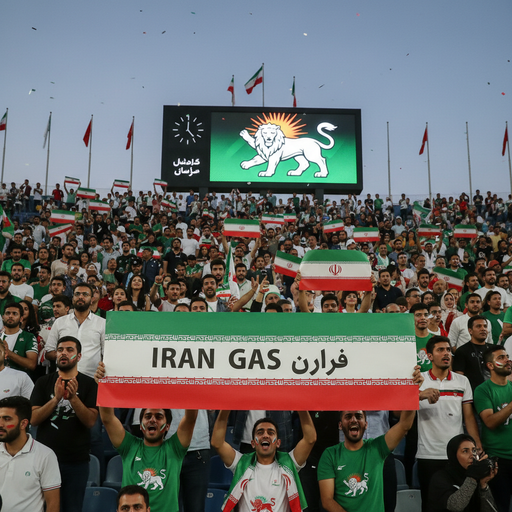
Recent conflicts between the U.S., Israel, and Iran have added uncertainty to the global economy, causing the Korean won to sharply rise against the U.S. dollar to the mid-1,470 won range. This situation results from increased geopolitical instability and investors’ preference for safe assets.
The Korean government is formulating response plans to this exchange rate increase. Deputy Prime Minister and Minister of Economy and Finance Choo Kyung-ho stated at the Special Committee on U.S. Investment in the National Assembly that despite the rapid rise in the exchange rate, South Korea’s foreign exchange reserves exceed $400 billion, and the private sector holds over $1 trillion in foreign assets, ensuring fundamental stability.
Additionally, the Bank of Korea has launched a special task force to assess the Middle East situation and emphasized that dollar liquidity remains ample. The premiums on foreign borrowing and credit default swaps (CDS) are also stable. The Bank of Korea announced that, in response to market instability, it will cooperate with the government to implement measures to reduce exchange rate volatility if necessary.
The U.S. Dollar Index, which indicates the dollar’s value relative to other currencies, has risen to 99.114, reflecting continued dollar strength. Under these circumstances, the Korea Composite Stock Price Index (KOSPI) has plummeted, falling below 5,100 points. Foreign investors are also showing signs of market uncertainty, with a trend of stock sell-offs.
If political tensions in the Middle East persist, instability in exchange rates and the stock market is likely to continue. Experts point out that the Korean government and central bank need to be prepared to respond swiftly and appropriately to maintain stability.