


Futures
Access hundreds of perpetual contracts
TradFi
Gold
One platform for global traditional assets
Options
Hot
Trade European-style vanilla options
Unified Account
Maximize your capital efficiency
Demo Trading
Futures Kickoff
Get prepared for your futures trading
Futures Events
Join events to earn rewards
Demo Trading
Use virtual funds to experience risk-free trading
Launch
CandyDrop
Collect candies to earn airdrops
Launchpool
Quick staking, earn potential new tokens
HODLer Airdrop
Hold GT and get massive airdrops for free
Launchpad
Be early to the next big token project
Alpha Points
Trade on-chain assets and earn airdrops
Futures Points
Earn futures points and claim airdrop rewards





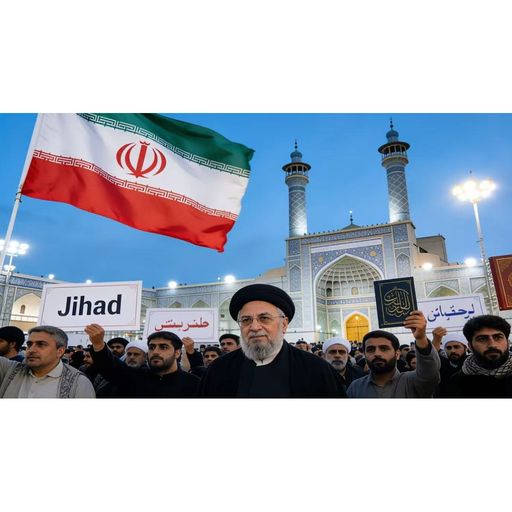
"The initial calm is fading away"! The energy market is迎接"an anxious weekend," traders prepare to face "$100 oil prices"
The Strait of Hormuz blockade has lasted for a week, and the global energy markets are shifting from initial relative calm to a new round of intense turbulence. Several traders and energy executives warn that the market is severely underestimating the seriousness of the situation—if the conflict continues and the strait remains blocked, $100 oil could become a reality within days.
In the context of unresolved conflict and no hope for reopening the strait, the energy market is facing a “anxious weekend.” Former Biden administration senior advisor Amos Hochstein said: “When the markets reopen this Sunday night, if the strait remains closed, the jump in prices will be far more dramatic than before.”
Goldman Sachs analysts released a report on March 6 stating that if no solution is seen next week, oil prices are “likely to break through $100,” noting that this supply shock is 17 times the most severe Russian production cuts since the Russia-Ukraine conflict began. Meanwhile, according to Wallstreetcn, Qatar’s energy minister warned that if the conflict isn’t resolved quickly, oil prices could surge to $150 per barrel.
Brent crude futures broke above $90 per barrel on Friday, with weekly gains exceeding 25%. Physical crude premiums also surged significantly: some U.S. crude premiums reached their highest levels since 2020, and a major Norwegian crude type that usually moves almost in sync with Brent increased by more than $5 this week relative to its benchmark. Saudi Arabia raised official prices by the largest margin since August 2022.
Compared to crude futures, physical energy market signals are even more intense. Middle Eastern and Asian refineries are cutting capacity, causing diesel and jet fuel prices to soar—diesel prices have increased over 50% in a week, some regions see jet fuel surpassing $200 per barrel, and European natural gas prices have risen nearly two-thirds.
Strait Blockade: Worst-Case Scenario Becomes Reality
Ship traffic through the Strait of Hormuz has nearly come to a complete halt, turning a long-standing “worst-case scenario” for the energy market into reality. Normally, about 20 million barrels of oil flow through this chokepoint daily to global markets.
The stalled shipping is accelerating pressure buildup. The number of empty supertankers in the Persian Gulf continues to decline, oil storage tanks are filling up, and the timing for oil-producing countries to cut production is approaching. Iraq has already begun reducing output this week, and Qatar has halted LNG production.
Saudi Arabia and the UAE are attempting to reroute exports. Saudi Arabia is transporting crude via over 1,000 kilometers of pipeline to western ports, while the UAE is exporting over 1 million barrels daily through the Fujeirah pipeline.
However, these two rerouting channels combined have only about one-third of the normal throughput of the strait, far from enough to fill the gap.
Market Underestimates Risks, Traders Warn
On March 6, Bloomberg reported that executives from four major trading firms said the market remains overly optimistic about the potential impact of the long-term blockade of the Strait of Hormuz, and predicted that unless the situation eases significantly, oil prices could hit $100 within days.
Bob McNally, president of consulting firm Rapidan Energy Group and a former White House official, said:
Rebecca Babin, senior energy trader at CIBC Private Wealth Group, bluntly stated:
Goldman Sachs analysts Daan Struyven and Yulia Zhestkova Grigsby wrote in their report that this supply shock is “unprecedented,” 17 times the most severe Russian production cuts since the Russia-Ukraine conflict, and that oil prices may need to “rise faster than historical experience and simple models suggest to reach levels that threaten demand.”
Aldo Spanjer, head of energy strategy at BNP Paribas, said:
Unresolved Escort Plans and Industry Confidence
On Tuesday, Trump announced that the U.S. would provide insurance guarantees and naval escort for oil tankers to ensure safe passage through the Strait of Hormuz.
However, three days later, three shipowners and some allied officials said they had yet to receive any details about the plan.
Several shipowners also pointed out that even if insurance issues are resolved, crew safety remains a primary concern, and whether escort plans can fully restore vessel passage is still uncertain.
Halvor Ellefsen, director of Fearnley’s Shipbrokers UK Ltd., said:
White House Optimistic, Market Pressure Continues
Rising oil prices have put the Trump administration in a dilemma. Trump has traditionally prioritized controlling fuel prices, and current gasoline prices have hit new highs during his tenure. The White House has made multiple efforts this week to calm market sentiment, with limited success.
Kevin Hassett, director of the National Economic Council, said Friday that the government has “a whole set of tools” at its disposal and is “very optimistic” about “resolving this recent issue relatively quickly.”
The U.S. has issued general licenses to Indian refiners, allowing them to purchase Russian crude stranded at sea due to sanctions, but this is seen as a temporary measure. Officials remain cautious about using the Strategic Petroleum Reserve.
Fatih Birol, executive director of the International Energy Agency, said that there is currently no need to coordinate releasing strategic reserves, as the market faces a “dislocation problem” rather than a total shortage, and that “crude oil is sufficient” in the market. However, according to Kyodo News, Japan is considering releasing its strategic reserves unilaterally rather than waiting for multilateral coordination.
Risk Warning and Disclaimer
Market risks are present; investments should be cautious. This article does not constitute personal investment advice and does not consider individual users’ specific investment goals, financial situations, or needs. Users should consider whether any opinions, views, or conclusions in this article are suitable for their particular circumstances. Invest at your own risk.