
Comprar Cripto
Pagar com

USD
Comprar e vender
HOT
Compre e venda criptomoedas através da Apple Pay, cartões, Google Pay, transferências bancárias e muito mais
P2P
0 Fees
Taxas zero, mais de 400 opções de pagamento e compra e venda fácil de criptomoedas
Cartão Gate
Cartão de pagamento de criptomoedas, que permite transações globais sem falhas.
Negociar
Básico
Negociação à Vista
Negoceie criptomoedas livremente
Margem
Aumente o seu lucro com a alavancagem
Conversão e negociação em blocos
0 Fees
Opere qualquer volume sem tarifas nem derrapagem
Tokens alavancados
Obtenha exposição a posições alavancadas de uma forma simples
Pré-mercado
Negoceie novos tokens antes de serem oficialmente listados
Futuros
Futuros
Centenas de contratos liquidados em USDT ou BTC
Opções
HOT
Negoceie Opções Vanilla ao estilo europeu
Conta Unificada
Maximize a eficiência do seu capital
Negociação de demonstração
Arranque dos futuros
Prepare-se para a sua negociação de futuros
Eventos de futuros
Participe em eventos para ganhar recompensas generosas
Negociação de demonstração
Utilize fundos virtuais para experimentar uma negociação sem riscos
Earn
Lançamento
CandyDrop
Recolher doces para ganhar airdrops
Launchpool
Faça staking rapidamente, ganhe potenciais novos tokens
HODLer Airdrop
Detenha GT e obtenha airdrops maciços de graça
Launchpad
Chegue cedo ao próximo grande projeto de tokens
Pontos Alpha
NEW
Negoceie ativos on-chain e desfrute de recompensas de airdrop!
Pontos de futuros
NEW
Ganhe pontos de futuros e receba recompensas de airdrop
Investimento
Simple Earn
Ganhe juros com tokens inativos
Investimento automático
Invista automaticamente de forma regular.
Investimento Duplo
Compre na baixa e venda na alta para obter lucros com as flutuações de preços
Soft Staking
Ganhe recompensas com staking flexível
Empréstimo de criptomoedas
0 Fees
Dê em garantia uma criptomoeda para pedir outra emprestada
Centro de empréstimos
Centro de empréstimos integrado
Centro de Património VIP
A gestão personalizada do património potencia o crescimento dos seus ativos
Gestão de património privado
Gestão de ativos personalizada para aumentar os seus ativos digitais
Fundo Quant
A melhor equipa de gestão de ativos ajuda-o a lucrar sem complicações
Staking
Faça staking de criptomoedas para ganhar em produtos PoS
Alavancagem inteligente
NEW
Sem liquidação forçada antes do vencimento, ganhos alavancados sem preocupações
Cunhagem de GUSD
Utilize USDT/USDC para cunhar GUSD y obter rendimentos ao nível do Tesouro

Mais






Fidelity Undercuts Bitcoin ETF Market with Low 0.39% Fee
Last updated: January 2, 2024 20:33 EST . 2 min read
Disclosure: Crypto is a high-risk asset class. This article is provided for informational purposes and does not constitute investment advice. By using this website, you agree to our terms and conditions. We may utilise affiliate links within our content, and receive commission.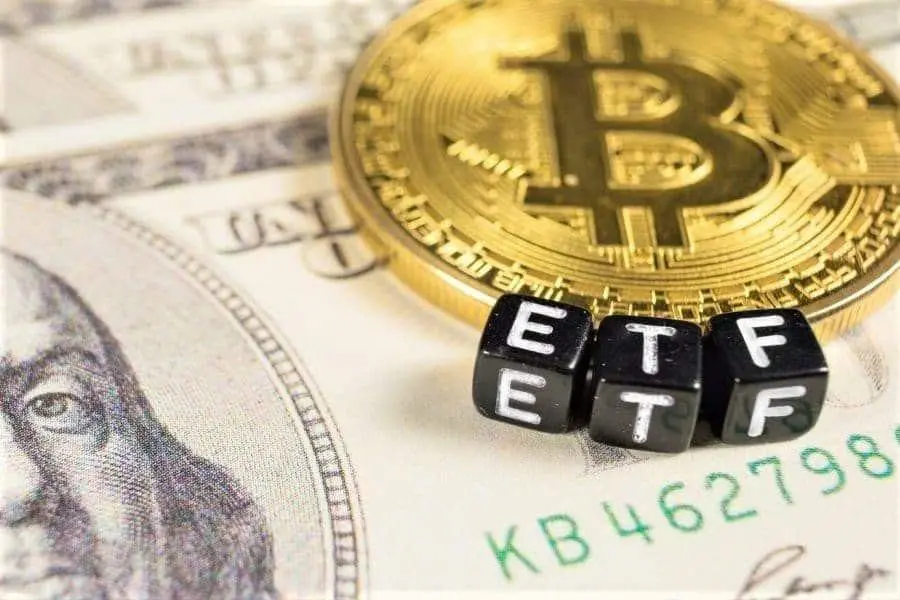 Source: iStock/pichet_wWith the Securities and Exchange Commission (SEC) nearing the potential approval of the first Bitcoin (BTC) exchange-traded funds (ETFs), issuers are vying for an early advantage to capture investor interest.
Specifically, Fidelity has set a highly competitive fee of 0.39%, while Invesco/Galaxy announced a fee waiver for the first six months of operation and for the first $5 billion in assets held, followed by a 0.59% fee
Analyst Eric Balchunas of Bloomberg has also predicted that BlackRock will likely set its fee at 0.47%, according to a recent report from Fortune
The introduction of a spot Bitcoin ETF has long been anticipated as a gateway to attract traditional investors, ranging from retail traders to asset managers, into the volatile cryptocurrency sector.
Previous applications for Bitcoin ETFs were rejected by the SEC due to concerns about the immature Bitcoin market and the potential for manipulation.
However, after Grayscale, a prominent crypto asset manager, won a crucial court case against the agency in 2023, the SEC has signaled its intention to open the doors to this investment vehicle, which tracks the current price of Bitcoin.
12 Issuers Are Competing for Spot Bitcoin ETF Approval
Currently, 12 issuers are competing for spot Bitcoin ETF approval, including industry giants like BlackRock, Fidelity, Grayscale, and Franklin Templeton
In late December, the SEC requested issuers to submit their final revisions to their applications by the end of the year, potentially paving the way for a launch as early as January 10, the deadline for the SEC’s decision on the first applicant in line, ARK/21Shares.
As issuers refine their applications, the details of how these ETFs will function have come into focus
A key question has revolved around the redemption model that issuers will adopt
ETFs typically rely on authorized participants and institutional investors who create or redeem individual shares in the fund through an arbitrage that maintains the ETF’s share price close to the underlying asset value
However, a Bitcoin ETF presents a unique challenge.
Instead of authorized participants directly buying or receiving Bitcoin from the issuer, the SEC has encouraged a cash model, placing the responsibility of Bitcoin buying and selling on the issuer
This reflects the agency’s reluctance to involve broker-dealers in Bitcoin transactions.
In updated filings on December 29, Fidelity, Galaxy/Invesco, WisdomTree, Valkyrie, and BlackRock disclosed the first authorized participants they will collaborate with
Fidelity and WisdomTree both named Jane Street Capital, a secretive trading firm known for employing FTX founder Sam Bankman-Fried
BlackRock and Galaxy/Invesco, a partnership between crypto firm Mike Novogratz and a traditional investment management company, named JPMorgan and Virtu, a market-making firm
Valkyrie named Jane Street and Cantor Fitzgerald.
Bitcoin Drops 8% after ETF Delay Rumors
On Wednesday, Bitcoin crashed to as low as $40,000 after a report from Matrixport claimed the SEC is poised to reject spot Bitcoin ETF applications this month
“Matrix on Target projects a January rejection for Bitcoin Spot ETFs by the SEC, cautioning traders to hedge long exposure,” the company wrote in a recent post on X (formerly Twitter)