How Does Cryptocurrency Work for Beginners: A Simple Guide to Crypto Basics

What Is Cryptocurrency and Why Should You Care?
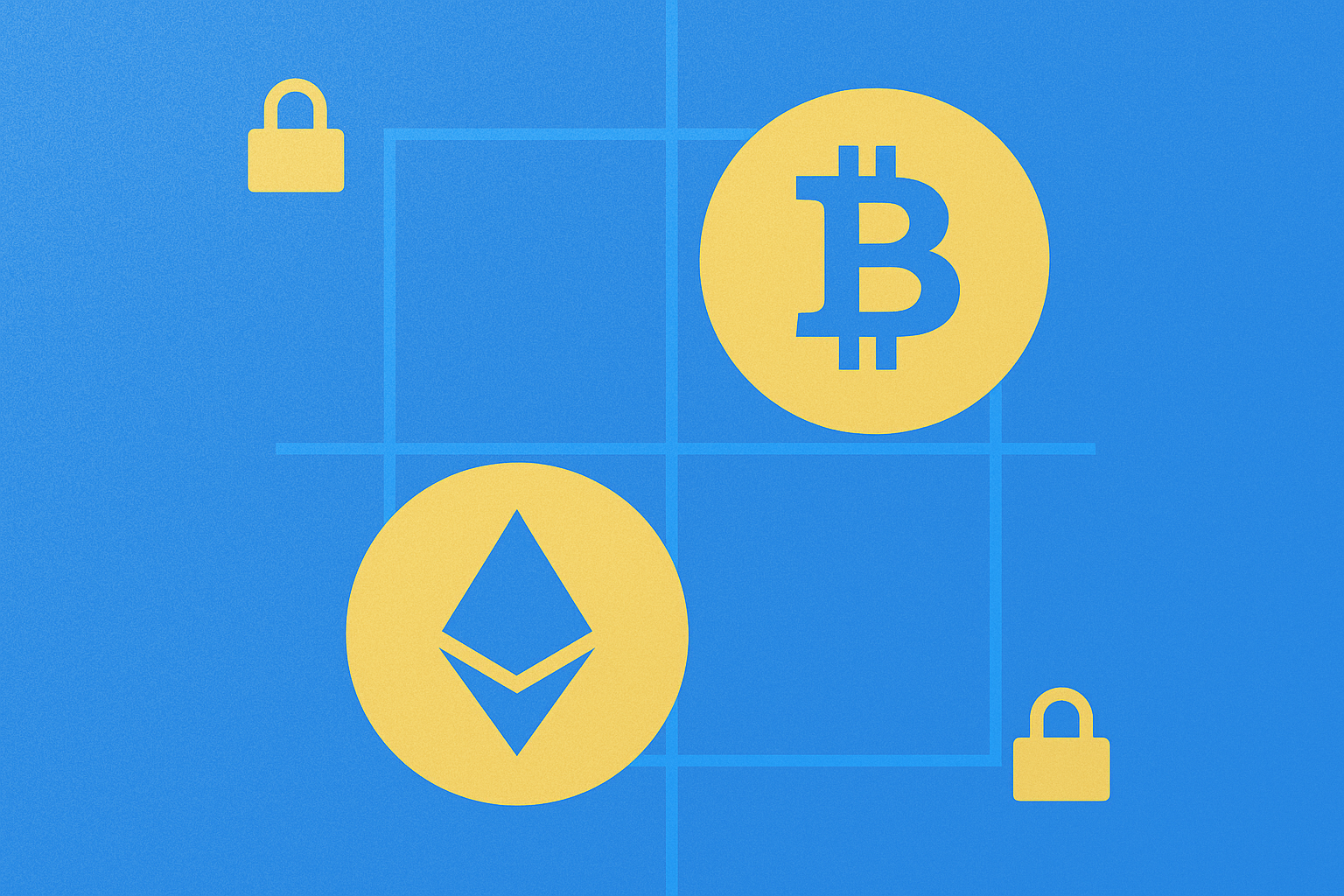
Cryptocurrency represents a fundamental shift in how we think about money and value exchange. At its core, cryptocurrency is digital currency secured by cryptography, existing purely as digital entries in an online database rather than physical coins or bills. Unlike traditional money issued by central banks, cryptocurrencies operate on decentralized networks where no single entity controls the system. The most widely recognized cryptocurrency is Bitcoin, but thousands of digital currencies now exist, each with unique characteristics and purposes.
Understanding cryptocurrency basics for beginners starts with recognizing why this technology matters. Digital currencies enable direct peer-to-peer transactions without intermediaries like banks, which traditionally charge fees and introduce delays. This decentralized approach appeals to individuals seeking greater financial autonomy and transparency. For those beginning their Web3 journey, grasping how cryptocurrency works for beginners is essential before making any investment decisions. The crypto for beginners guide you need encompasses not just what cryptocurrency is, but why major financial institutions and individuals worldwide have adopted it as a payment method and investment vehicle. Cryptocurrency payments exist as digital transactions recorded in secure ledgers, making them traceable and permanent. Whether you're interested in using crypto for international transfers, online purchases, or building an investment portfolio, understanding these foundational concepts positions you to make informed decisions in this rapidly evolving financial landscape.
The Blockchain Technology Behind Every Crypto Transaction
Blockchain technology forms the backbone of every cryptocurrency transaction, functioning as a decentralized ledger that records all activities across a network of computers. This networking protocol enables thousands of computers to work collaboratively, maintaining a shared, tamper-proof record of transactions that cannot be altered retroactively. When you conduct a cryptocurrency transaction, it doesn't simply disappear into digital space—instead, it becomes permanently recorded on the blockchain, creating an immutable audit trail.
The blockchain achieves security through cryptographic techniques that make each transaction virtually impossible to counterfeit or reverse. Each transaction is grouped into blocks, which are cryptographically linked to previous blocks, creating a chain that extends back to the network's inception. This structure means that tampering with even a single transaction would require recalculating the cryptography for every subsequent block, a computationally impossible feat across distributed networks. Different cryptocurrencies employ distinct mechanisms to validate transactions. Bitcoin utilizes mining, a process where specialized computers solve complex mathematical problems to verify transactions and earn newly created bitcoins as rewards. In contrast, Ethereum and other networks employ staking, where participants lock their cryptocurrency holdings to vouch for transaction accuracy, significantly reducing energy consumption compared to mining. Both systems charge transaction fees, which compensate network participants for their work. Understanding blockchain technology is crucial for beginners to cryptocurrency, as it explains why cryptocurrency transactions are secure, transparent, and resistant to fraud while maintaining the decentralized nature that distinguishes digital currencies from traditional financial systems.
Bitcoin vs. Ethereum: Understanding the Two Crypto Giants
| Feature | Bitcoin | Ethereum |
|---|---|---|
| Primary Purpose | Digital currency and store of value | Platform for decentralized applications |
| Consensus Mechanism | Proof of Work (Mining) | Proof of Stake (Staking) |
| Transaction Speed | Slower (10 minutes per block) | Faster (12-14 seconds per block) |
| Smart Contracts | Limited | Fully supported |
| Supply | Fixed at 21 million | Unlimited supply |
| Year Launched | 2009 | 2015 |
Bitcoin and Ethereum represent two distinct approaches to cryptocurrency technology, each solving different problems within the digital economy. Bitcoin emerged in 2009 as the original cryptocurrency, designed primarily as a decentralized currency and store of value independent of government control. Bitcoin transactions move slower than Ethereum transactions, with new blocks created approximately every ten minutes. The network operates through proof-of-work mining, where computers compete to solve mathematical puzzles, validating transactions while securing the network. Bitcoin's total supply is capped at 21 million coins, creating inherent scarcity that supporters argue provides stability and prevents inflation.
Ethereum, launched in 2015, took blockchain technology in a different direction by creating a platform for decentralized applications and smart contracts. Smart contracts are self-executing agreements where terms are written directly into code, automatically executing when conditions are met. Ethereum initially used proof-of-work but transitioned to proof-of-stake, a more energy-efficient consensus mechanism where validators stake cryptocurrency to secure the network rather than solving computational puzzles. This shift significantly reduced Ethereum's energy consumption while maintaining security. Unlike Bitcoin's fixed supply, Ethereum's token supply remains flexible, allowing continuous creation of new Ether coins. For beginners guide to cryptocurrency, understanding these differences is essential: Bitcoin serves primarily as digital money, while Ethereum functions as infrastructure for building decentralized applications. Both have established themselves as market leaders, but their distinct purposes mean they serve different roles within the broader cryptocurrency ecosystem. Neither represents a simple replacement for traditional money; rather, each addresses specific use cases within blockchain technology.
Your First Steps Into the Crypto World: Wallets, Exchanges, and Security Essentials
Beginning your cryptocurrency journey requires understanding three critical components: wallets, exchanges, and security practices. A cryptocurrency wallet is either a physical device or online software that securely stores the private keys confirming your identity and linking to your cryptocurrency holdings. These private keys are essentially passwords that grant access to your digital assets—if lost, your cryptocurrency becomes permanently inaccessible. Physical hardware wallets like dedicated USB devices provide maximum security by keeping keys offline, while software wallets offer convenience for frequent traders, though with slightly higher security considerations.
Cryptocurrency exchanges are online marketplaces functioning like traditional stock exchanges, where you can trade digital currencies for other cryptocurrencies or convert them to traditional money. When choosing an exchange platform, evaluate factors including security features, user interface design, transaction fees, supported cryptocurrencies, and regulatory compliance. Many traditional brokers now offer cryptocurrency trading alongside stocks and bonds, providing a familiar interface for newcomers. Payment services including digital wallet apps allow purchasing and holding cryptocurrency directly within existing accounts, though typically with fewer advanced features than dedicated exchanges.
Security represents the most critical concern for cryptocurrency beginners. Since you store cryptocurrencies in digital wallets, losing access to your wallet or its backups means losing your entire investment permanently—there's no customer service to restore forgotten passwords or recover deleted files. Implement security best practices including strong, unique passwords combining uppercase and lowercase letters, numbers, and special characters. Enable two-factor authentication wherever available, adding an additional verification step beyond passwords. Keep private keys completely confidential and never share them with anyone, regardless of circumstances. Regularly back up wallet data to multiple secure locations, separate from your primary device. If managing your cryptocurrency wallet through local applications on computers or mobile devices, protect these systems with antivirus software and regular security updates. Additionally, research exchanges and platforms thoroughly before depositing funds, verifying their regulatory status and security track record. Gate provides comprehensive crypto trading services with robust security infrastructure for users at all experience levels. Understanding these foundational security principles transforms you from a casual observer into someone capable of safely navigating the cryptocurrency ecosystem while protecting your digital assets from theft and loss.
Share
Content
How to Buy Cryptocurrency


Trending Cryptocurrencies



XZXX: A Comprehensive Guide to the BRC-20 Meme Token in 2025

Bitcoin Fear and Greed Index: Market Sentiment Analysis for 2025

5 ways to get Bitcoin for free in 2025: Newbie Guide
Top Crypto ETFs to Watch in 2025: Navigating the Digital Asset Boom

Bitcoin Market Cap in 2025: Analysis and Trends for Investors

2025 Bitcoin Price Prediction: Trump's Tariffs' Impact on BTC

Gate Ventures Weekly Crypto Recap (March 2, 2026)
Gate Ventures Weekly Crypto Recap (February 23, 2026)

Gate Ventures Weekly Crypto Recap (February 9, 2026)

What is AIX9: A Comprehensive Guide to the Next Generation of Enterprise Computing Solutions

What is KLINK: A Comprehensive Guide to Understanding the Revolutionary Communication Platform