NFT Minting: A Complete Guide

Understanding NFT Minting
Minting an NFT refers to the process of publishing an ERC-721 token on the blockchain, making it available for purchase in a tamper-proof manner. The blockchain stores proof of ownership and the transfer history of the NFT, ensuring transparency and security. An NFT represents a unique digital object that is brought onto the blockchain through the minting process.
This process transforms digital assets into verifiable, tradeable items that can be bought, sold, or collected. The minting process creates a permanent record on the blockchain, establishing provenance and authenticity that cannot be altered or disputed. Understanding this fundamental concept is crucial before embarking on your NFT creation journey.
Key Considerations Before Minting an NFT
NFTs provide a way to characterize your digital assets with unique properties and verifiable ownership. They ensure that assets can be seamlessly exchanged or purchased on NFT marketplaces, creating new opportunities for creators and collectors alike. NFTs also enable better tracking of ownership history and provide flexibility for future resale or collection purposes.
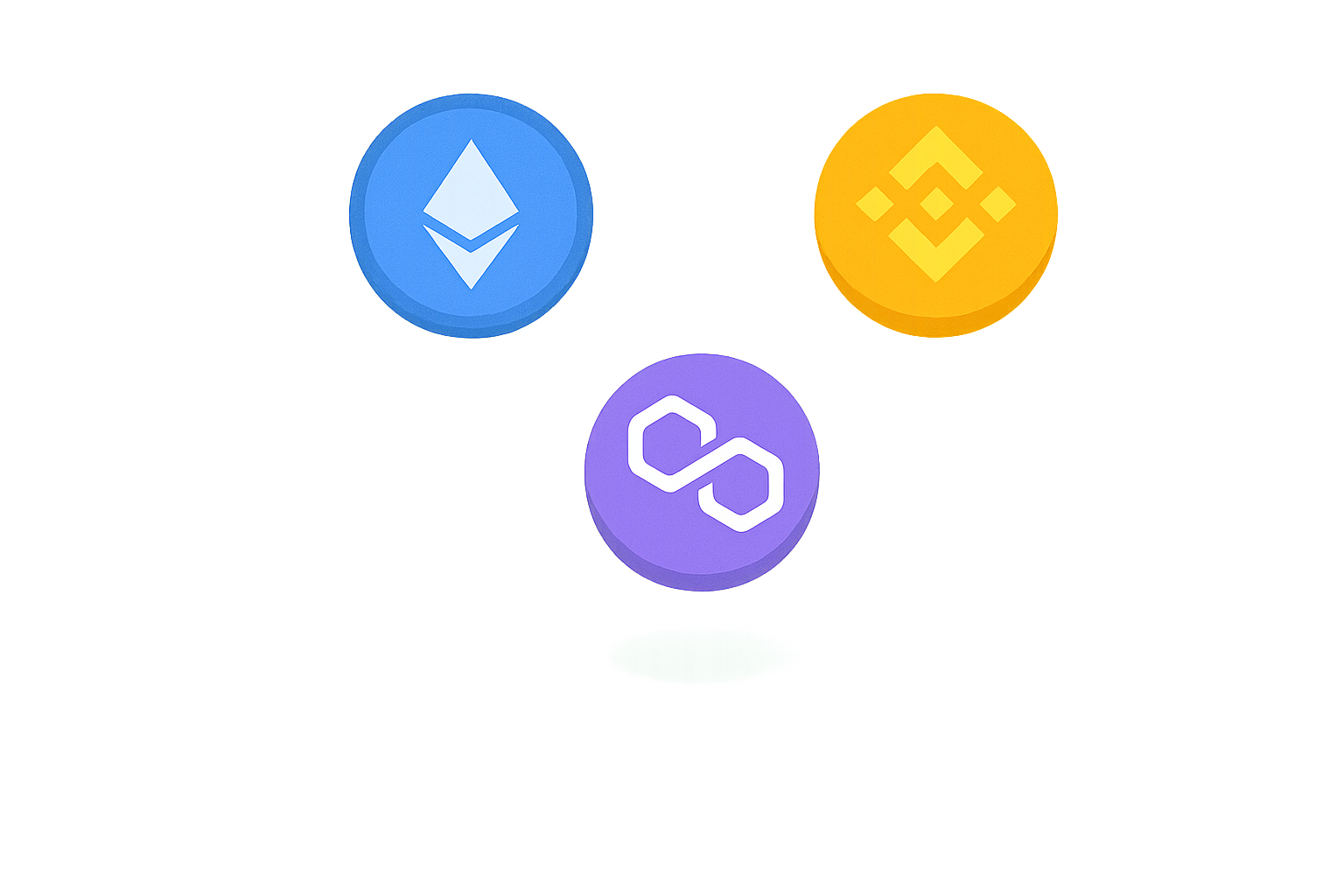
When preparing to mint an NFT, it is essential to select a reputable platform and blockchain. Ethereum remains the most widely recognized blockchain for minting NFTs, offering robust infrastructure and broad marketplace support. However, alternative blockchain platforms such as Polkadot, BSC (Binance Smart Chain), EOS, and Cosmos also support NFT creation, each offering different advantages in terms of transaction costs, speed, and ecosystem features.
Choosing the Right NFT Ecosystem
Selecting the appropriate blockchain ecosystem is a critical decision that impacts your NFT's accessibility and tradability. It is important to ensure that your chosen platform supports the exchange and trading of NFTs across different blockchains, providing maximum flexibility for future transactions.
Developers and creators should thoroughly research the advantages and challenges of each blockchain's NFT environment. Factors to consider include transaction fees, network congestion, community size, marketplace availability, and cross-chain compatibility. Ethereum offers the largest ecosystem and most established marketplaces, while alternative chains may provide lower fees and faster transaction times. Understanding these trade-offs helps in making an informed decision that aligns with your specific needs and goals.
Selecting a Cost-Effective Network
Network selection significantly impacts the overall cost and efficiency of your NFT minting process. In recent years, the most popular blockchain networks for NFT minting have been Ethereum and BSC, each offering distinct advantages.
Ethereum provides the most established infrastructure with widespread marketplace support and the largest community of collectors and creators. However, it traditionally experiences higher gas fees during periods of network congestion. BSC offers a more cost-effective alternative with lower transaction fees and faster block times, making it attractive for creators who are budget-conscious or planning to mint multiple NFTs. When evaluating networks, consider factors such as gas fees, transaction speed, security, and the availability of compatible marketplaces and wallets.
Understanding NFT Marketplaces
The NFT marketplace you choose plays a crucial role in your minting and selling experience. Different marketplaces cater to different audiences and offer varying features, fee structures, and support for different blockchains.
For Ethereum-based NFTs, popular marketplaces include Mintable, OpenSea, and Rarible. These platforms offer user-friendly interfaces, large user bases, and comprehensive features for both creators and collectors. OpenSea, in particular, has become the largest NFT marketplace, offering extensive category support and advanced trading features.
For BSC-based NFTs, marketplaces such as BakerySwap, Juggerworld, and Treasureland provide alternatives with lower transaction costs. Each marketplace has its own community, fee structure, and unique features, so researching multiple options helps you find the best fit for your specific NFT project and target audience.
Step-by-Step Guide to Minting an NFT
Creating Your Digital Asset
The first and most important step in the NFT minting process is creating the digital asset that your NFT will represent. This asset can take many forms, including artwork, music, videos, animations, or even tweets and other digital content. The key is to create or select something unique and valuable that will appeal to potential collectors.
Consider the quality, originality, and appeal of your asset carefully. High-quality, original content tends to perform better in the NFT marketplace. Ensure you have the legal rights to tokenize the asset, and consider how it will be displayed in various marketplace interfaces. The asset should be in a widely supported format (such as JPG, PNG, MP4, or MP3) and meet the size requirements of your chosen marketplace.
Acquiring Ethereum
The next step in NFT minting involves acquiring the cryptocurrency needed to pay for gas fees and transactions. For Ethereum-based NFTs, users need to purchase ETH tokens, which will be stored in the same wallet used to create and manage the NFTs.
ETH tokens can be acquired using fiat currency through centralized exchanges that support your region. The process typically involves creating an account, completing identity verification, depositing fiat currency, and purchasing ETH. It's advisable to purchase slightly more ETH than you anticipate needing to account for potential fluctuations in gas fees. Keep in mind that gas fees can vary significantly based on network congestion, so timing your minting during periods of lower activity can help reduce costs.
Setting Up a Non-Custodial Ethereum Wallet
A non-custodial wallet is a specialized type of cryptocurrency wallet that gives you complete control over your digital assets. Unlike wallets managed by centralized exchanges, non-custodial wallets ensure that only you have access to your private keys and seed phrase.
The wallet essentially serves as a secure storage and transaction tool for cryptocurrencies and NFTs. A key feature of non-custodial wallets is the seed phrase—a randomly generated 12-word combination that serves as a backup and recovery mechanism for your wallet. This seed phrase provides access to your assets across various platforms and should be stored securely offline. Never share your seed phrase with anyone, as it grants complete access to your wallet and all its contents.
Configuring Your Non-Custodial Wallet
Several non-custodial wallet options are available, each offering different features and interfaces. Popular choices for mobile devices include Coinbase Wallet and Rainbow, which offer intuitive interfaces and mobile-optimized experiences. For desktop users, MetaMask is the most widely used option, offering browser extension compatibility and extensive marketplace integration.
The setup process typically involves downloading the wallet application, creating a new wallet, securely recording your seed phrase, and setting up additional security features such as passwords or biometric authentication. Take time to familiarize yourself with the wallet interface, backup procedures, and security features before proceeding with transactions. Many wallets also offer test networks where you can practice transactions without risking real funds.
Transferring Ether to Your Non-Custodial Wallet
Once your non-custodial wallet is fully functional and secured, you can proceed to the next phase of NFT minting. You need to transfer ETH from your exchange account to your newly created non-custodial wallet. This involves copying your wallet address—a unique alphanumeric identifier that serves as your account number for receiving cryptocurrency.
When initiating the transfer, double-check the wallet address to ensure accuracy, as blockchain transactions are irreversible. Start with a small test transaction if you're unfamiliar with the process, then proceed with the full amount once confirmed. The transfer typically takes a few minutes to complete, depending on network congestion. You can track the transaction status using blockchain explorers by entering your transaction hash.
Selecting Your NFT Marketplace Platform
Choosing the right marketplace platform is crucial for cost-effective NFT minting. The most promising platforms include OpenSea and Rarible, each offering unique features and fee structures.
OpenSea has gained popularity for its user-friendly approach to minting. Users typically only need to pay gas fees when first setting up their collection on OpenSea. For subsequent NFTs within that collection, the platform uses lazy minting, where the buyer covers the gas fees upon purchase. This significantly reduces upfront costs for creators.
Rarible offers similar features with additional governance token incentives for active users. After minting, your NFT goes into your wallet and becomes available for sale on the platform. Many platforms also support cross-platform trading, allowing you to mint on one platform and sell on another, providing maximum flexibility and exposure for your NFTs.
Creating and Minting Your NFT
The final step involves the actual creation and minting of your NFT on your chosen platform. Modern platforms have streamlined this process, making it straightforward and accessible even for beginners.
The process typically involves connecting your wallet to the marketplace, uploading your digital asset, adding metadata (including title, description, and properties), setting royalty percentages for future sales, and confirming the minting transaction. During this process, you'll need to approve several transactions in your wallet and pay the associated gas fees.
Take care when filling out the metadata, as this information helps potential buyers discover and understand your NFT. Consider adding detailed descriptions, relevant tags, and clear information about any unlockable content or utility associated with the NFT. Once the minting transaction is confirmed on the blockchain, your NFT is officially created and ready to be listed for sale or transferred.
Conclusion
As demonstrated throughout this guide, minting an NFT has become increasingly accessible thanks to improved platforms and tools. However, success requires careful attention to the underlying requirements, particularly regarding planning and preparation.
NFTs have gained significant recognition in the digital asset space, and the process of creating them can initially seem overwhelming. With a carefully calculated approach and thorough understanding of each step, you can mint NFTs cost-effectively while minimizing risks and maximizing potential returns. By following the steps outlined in this guide—from asset creation through marketplace selection to final minting—you can confidently navigate the NFT creation process and participate in this innovative digital economy.
Remember to stay informed about evolving best practices, marketplace changes, and blockchain developments to optimize your NFT minting strategy over time. The NFT space continues to evolve, offering new opportunities for creators and collectors who approach it with knowledge and preparation.
FAQ
What is NFT Minting? What is the basic principle of NFT minting?
NFT Minting is the process of creating a unique digital asset on a blockchain using smart contracts like ERC721. It establishes ownership by recording the asset's metadata on a distributed system like IPFS, assigning it a unique identifier, and registering it on the blockchain ledger.
How to start minting your own NFT? What steps are needed?
Choose a blockchain, set up a crypto wallet like MetaMask, select an NFT platform, and upload your digital asset. Pay gas fees for minting, or use lazy minting to defer costs until sale.
How much does NFT minting cost? How is gas fee calculated?
NFT minting costs vary by blockchain and market conditions, typically ranging from a few dollars to over 300 USD, including gas fees and platform fees. Gas fees are calculated based on network transaction volume and congestion levels.
Which blockchain platforms support NFT minting? What are the differences between Ethereum, Solana, and Polygon?
Ethereum, Solana, and Polygon all support NFT minting. Ethereum is the most established with robust security; Solana offers 50,000-65,000 transactions per second at lower costs; Polygon provides fast transactions with Ethereum interoperability and similar speed to Solana.
How to choose the right platform and tools when minting NFTs?
Select Ethereum or Binance Smart Chain as your blockchain platform. Use ERC-721 or ERC-1155 standards for your NFTs. Choose Solidity programming language and Web3.js framework for development and deployment.
What are the main security risks to watch out for during NFT minting?
Key risks include smart contract vulnerabilities, private key theft, and phishing attacks. Protect yourself by never sharing private keys, enabling two-factor authentication, verifying official channels, and conducting due diligence before minting on any platform.
How to sell and trade minted NFTs on the market?
List minted NFTs on secondary markets or auction platforms. Buyers can purchase directly or place bids. Set competitive prices based on rarity and market conditions. Pay attention to gas fees to maximize profits from transactions.
What intellectual property and legal issues should be understood in NFT minting?
NFT minting involves copyright concerns including reproduction rights, information network transmission rights, and publication rights. Key legal issues include obtaining creator authorization, ensuring compliance with telecommunications regulations, internet service requirements, and consumer protection laws. Platforms must implement intellectual property review mechanisms and establish clear ownership terms to prevent infringement.
Share
Content
How to Buy Cryptocurrency


Trending Cryptocurrencies



Treasure NFT Marketplace: A 2025 Guide for Web3 Gamers and Investors
What are the new trends in the NFT market in 2025?

NFT Treasure Hunting: Top Strategies for Web3 Collectors in 2025

How to Create and Sell NFTs: A Step-by-Step Guide for Beginners

The technical principles and application scenarios of 2025 NFTs
How to Create an NFT in 2025: A Step-by-Step Guide

Gate Ventures Weekly Crypto Recap (March 2, 2026)
Gate Ventures Weekly Crypto Recap (February 23, 2026)

Gate Ventures Weekly Crypto Recap (February 9, 2026)

What is AIX9: A Comprehensive Guide to the Next Generation of Enterprise Computing Solutions

What is KLINK: A Comprehensive Guide to Understanding the Revolutionary Communication Platform