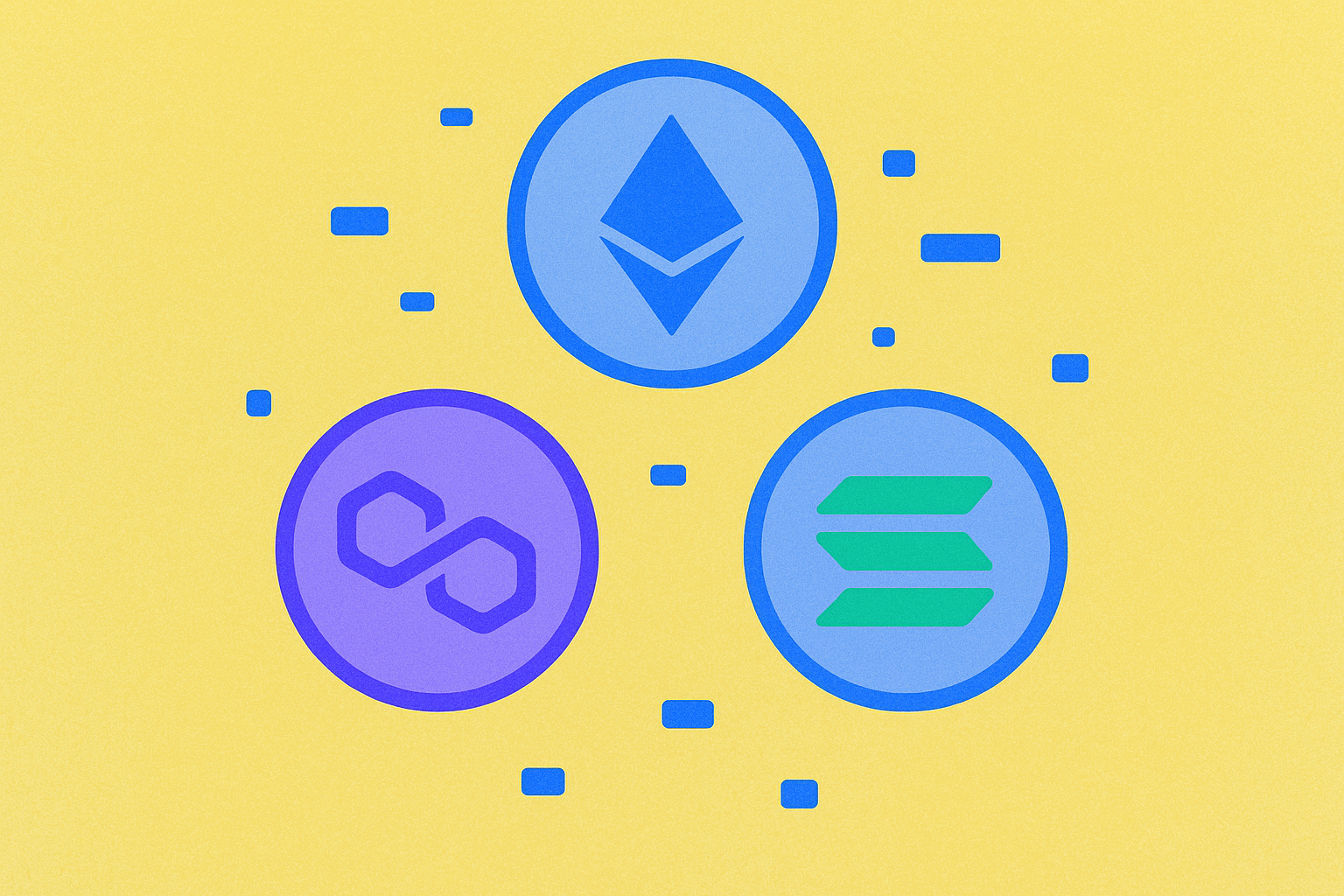
This article provides a comprehensive guide to NFT creation costs, exploring how anyone can mint NFTs affordably in today's market. It examines the explosive growth of the NFT space and breaks down the essential cost components including gas fees, account costs, and listing fees. The guide compares three major blockchains: Ethereum offers free lazy minting through platforms like OpenSea; Polygon provides completely free minting with 2.5% service fees; and Solana delivers minimal transaction costs under $1. By leveraging lazy minting and selecting appropriate blockchains, creators can mint NFTs with zero upfront costs. Whether you're an artist or collector, this article demonstrates that NFT creation barriers have become minimal, enabling global participation in the digital asset ecosystem.
The NFT Market Landscape
While non-fungible tokens have existed for several years, their explosive popularity emerged in 2021. The entire NFT space experienced remarkable growth, expanding from $340 million in 2020 to $24.9 billion in the following year, representing an extraordinary 7,200% increase in value.
One of the most notable examples of this growth is "The Merge," a digital artwork created by the artist Pak, which sold for an astounding $91.8 million. This sale exemplifies the unprecedented valuations that NFTs have achieved in recent years.
As more celebrities and public figures have entered the space, NFTs have consistently dominated headlines. The market has created numerous success stories, with investors generating millions of dollars through strategic NFT sales and trading activities.
Understanding NFT Minting
For those new to creating NFTs, it's essential to understand the concept of NFT minting. This process involves creating your NFT and registering it on a blockchain network, effectively transforming your digital creation into a unique, verifiable asset.
The minting process begins when individual artworks or collectibles are converted into unique NFTs through blockchain registration. When art or collectibles are stored on a blockchain, they become encrypted with a unique code that establishes personalized ownership and authenticity.
Each artwork or collectible becomes an NFT on smart contract-enabled blockchains such as Ethereum, Solana, and other NFT-compatible chains. This process requires using a blockchain cryptocurrency wallet and the blockchain's native currency to pay transaction fees. All blockchain transactions must be validated with gas fees, which compensate the network for verifying and adding your transaction to the blockchain.
The NFT creation process can be compared to uploading a profile picture on social media platforms. However, instead of a profile photo, you're uploading digital artwork or collectibles that will be permanently recorded on the blockchain with verified ownership.
Cost Components of NFT Creation
When evaluating the costs associated with creating NFTs, it's crucial to understand that your choice of blockchain can significantly impact the total expenses involved. Different blockchain networks have varying fee structures and operational costs.
The primary costs associated with NFTs include:
- Gas Fees: Every blockchain operation requires at least one transaction to be recorded on the blockchain, which incurs gas fees. These fees compensate network validators for processing and confirming your transaction.
- Account Costs: These vary depending on which NFT marketplace you choose to use. Some platforms charge account setup fees, while others offer free registration.
- Listing Fees: While some platforms allow free NFT minting, they may charge fees when you list your NFT for sale. These fees help maintain the marketplace infrastructure and services.
The creation process and associated fees differ across blockchains. Even within the same blockchain network, NFT costs can vary significantly. Factors such as data size, project quality, transaction speed, minting time, and prevailing gas fees all influence the final cost.
Blockchain transaction fees respond to network supply and demand dynamics. During periods of high network activity, gas fees can surge dramatically. Additionally, NFT creators must consider the volatile pricing of cryptocurrencies, which directly affects the dollar-equivalent cost of creating and trading NFTs.
NFT minting prices typically range from $1 to $500, though they can sometimes exceed this range depending on network conditions and chosen blockchain.
NFTs can be easily minted on popular marketplaces such as OpenSea, Rarible, or Mintable. Various other marketplaces exist, and NFT creators should carefully select the platform that best suits their digital artwork and target audience.
Timing is also an important consideration when minting NFTs. For example, weekdays typically see higher online activity, which can result in increased minting costs due to network congestion. Strategic timing of your minting activities can help optimize costs.
Actual Costs of Creating NFTs
Let's examine the real-world costs of creating NFTs across different marketplaces. The good news is that anyone can create NFTs, and setting up accounts on major platforms like OpenSea, Rarible, and Mintable is straightforward and accessible.
Another encouraging aspect is that all these major platforms offer multiple blockchain options when minting NFTs, giving creators flexibility in managing costs and reaching different audiences.
NFT Minting Costs Vary by Blockchain Selection
The most popular blockchain for NFTs has traditionally been the Ethereum network, which was the first programmable blockchain to support the registration of digital items. However, creators now have access to numerous alternatives, including Polygon and Solana, each offering distinct advantages.
Many creators continue to choose Ethereum simply because it was the original blockchain for NFTs and maintains the largest user base and most established ecosystem. This network effect means greater visibility and potentially higher sales opportunities.
Ethereum is undergoing significant upgrades that will transition the network's consensus mechanism from proof-of-work to proof-of-stake. Once these updates are complete, transaction fees are expected to decrease substantially while transaction speeds improve, making the network more accessible for creators.
Minting NFTs on Polygon
Digital artists can utilize OpenSea, the most popular NFT marketplace, to mint NFTs on the Polygon blockchain. This option has become increasingly attractive due to its cost-effectiveness.
The excellent news for creators is that selecting the Polygon network allows you to mint and list your NFTs completely free of charge. There are no upfront costs associated with the minting process on this network.
Minting NFTs on Polygon incurs no advance fees because the platform automatically uses a lazy minting option when you choose this blockchain. This innovative approach defers the actual blockchain registration until a sale occurs.
However, the platform does charge a 2.5% service fee, which is deducted from the NFT's sale price after the initial sale. It's important to note that while you use the Polygon network, the sale price is still denominated and paid in ETH (Ethereum).
Minting NFTs on Solana
With numerous projects launching daily, Solana has emerged as the second most popular blockchain for NFTs after Ethereum. Given the historically high Ethereum gas fees, Solana provides an affordable alternative for minting NFTs without sacrificing functionality or security.
Minting NFTs on the Solana blockchain requires using a wallet that supports the Solana network, such as Phantom. Creators can choose from popular Solana NFT marketplaces including Solanart, Solana Art, or Magic Eden to mint and sell their creations.
So, what does it cost to create NFTs on the Solana blockchain? The expenses are minimal, requiring only payment of Solana transaction fees for each network activity.
Minting an NFT on the Solana blockchain generates three blockchain transactions: two approval transactions and another transaction to set the price when listing the NFT. Each transaction costs approximately 0.00045 SOL. Based on historical pricing of 1 SOL = $95, the transaction fee equates to roughly $0.04 per transaction.
The total cost of minting NFTs on the Solana blockchain, accounting for all three required transaction fees, reaches a maximum of 0.00135 SOL. Based on the reference price of $95 per SOL from early 2022, the minting cost amounts to approximately $0.12, making it one of the most cost-effective options available.
Minting NFTs on Ethereum
As mentioned earlier, Ethereum remains the most popular network for minting NFTs. While it was the first platform to support NFTs, it's no longer the only blockchain option available to creators.
So, what does it cost to create NFTs on the Ethereum blockchain in the current market environment?
Experienced investors may remember when single NFT minting could generate transaction fees of $50 to $100 or more, depending on the time of day and ETH price fluctuations. However, the situation has evolved significantly, with popular NFT marketplaces developing solutions to avoid these prohibitive fees. Creators can now mint NFTs on the Ethereum blockchain completely free of charge through innovative approaches.
If you want to mint NFTs on Ethereum, you can use the most popular marketplaces such as OpenSea, Rarible, and Mintable. After connecting your wallet, you can create new NFTs and choose between regular minting or lazy minting options.
Regular Minting
Traditional minting on the Ethereum blockchain can be expensive. The costs depend on Ethereum's current price, the day of the week, and the time of day. Gas fees have historically ranged from 0.0468 to 0.0616 ETH (approximately $59 to $123), regardless of the NFT's listing price.
However, if you want to list NFTs on Ethereum, there's another option that doesn't require creators to pay upfront minting costs.
Lazy Minting
NFT artists and creators can produce NFTs without any upfront costs through lazy minting. When you select the lazy minting option, the actual process of registering the NFT on the blockchain doesn't occur until someone purchases the NFT.
In this model, the minting cost is included in the NFT's sale price, and the responsibility for minting transfers from the NFT creator to the buyer. This innovative approach removes financial barriers for creators.
With lazy minting, NFTs are created on-demand, and only sold NFTs are actually minted, reducing computational requirements and environmental impact. This solution is available on the most popular NFT marketplaces and enables all digital artists and NFT creators to increase their exposure. They can use lazy minting to create NFTs on the Ethereum network at no cost.
Comparing NFT Creation Costs: Ethereum vs Polygon vs Solana
Comparing the most popular blockchains for creating NFTs involves considering not only the project's purpose and goals but also the artist's personal preferences and target audience. NFT creators should research which blockchain best suits their new NFT collection, and artists should also examine the blockchain's ecosystem and existing community engagement.
However, when focusing solely on costs, the differences are minimal. The most popular NFT marketplaces offer lazy minting for both Ethereum and Polygon networks, which translates to completely free NFT creation. When choosing the lazy minting option, there are no initial costs for creating NFTs on Polygon or Ethereum blockchains through platforms like OpenSea or Rarible.
Of course, you can always choose the traditional and most expensive method of minting NFTs on Ethereum with regular minting. However, this approach is no longer necessary, and there's no reason to pay over $100 to list an NFT that may or may not sell.
Minting NFTs on Solana is not free, but because it doesn't offer lazy minting, only a few network fees are incurred, totaling less than $1. This makes Solana an excellent middle-ground option for creators seeking low costs without relying on lazy minting.
The cost of creating NFTs is surprisingly low across all major platforms, which suggests that more NFT collections will continue to launch throughout the year as barriers to entry remain minimal.
Final Thoughts on NFT Creation Costs
The conclusion is clear: creating NFTs doesn't have to be expensive. In fact, by choosing popular platforms like OpenSea, Rarible, or Mintable and selecting the lazy minting option, the process can be completely free.
Minting NFTs on the most popular blockchains has never been easier or more affordable than it is in the current market environment. The only question that remains is: "What will your next NFT collection be?"
With minimal financial barriers and accessible technology, creators from all backgrounds can participate in the NFT ecosystem and share their digital creations with a global audience. The democratization of NFT creation continues to expand opportunities for artists, collectors, and innovators worldwide.
FAQ
NFT minting costs comprise Gas fees and platform fees. Gas fees vary based on network congestion and blockchain activity, typically ranging from $0 to $300+. Platform fees are determined by your chosen NFT marketplace. Royalty fees are percentage-based commissions earned on secondary sales, set by creators at minting time.
What are the NFT minting costs on different blockchains such as Ethereum, Polygon, and Solana?
Ethereum minting costs range from $100-$500 per NFT. Polygon offers lower fees at $10-$50, while Solana provides the most economical option at $0.1-$1 per mint.
Reduce NFT minting costs by using Layer 2 solutions like Polygon or Arbitrum, choosing low-fee blockchains, utilizing decentralized storage (IPFS), and batching transactions. Key tools: IPFS for storage, Layer 2 networks, and smart contract optimization to minimize gas fees significantly.
Will the average cost per NFT decrease when batch minting NFTs?
Yes, batch minting NFTs reduces the average gas cost per NFT. By combining multiple minting transactions, you distribute gas fees across more tokens, significantly lowering the per-NFT cost compared to individual minting operations.
What is the relationship between NFT minting costs and current cryptocurrency prices?
NFT minting costs are directly tied to current cryptocurrency prices. Since blockchain transaction fees depend on crypto prices, higher prices increase minting expenses, while lower prices reduce them accordingly.
How is Free Minting (Free Minting) of NFTs achieved? What are the risks?
Free minting is achieved when creators reserve supply portions or use alternative monetization models. Risks include creator dilution, scam projects, and unsustainable revenue. Better approaches align incentives through creator supply holdings or profit-sharing rather than transaction-based royalties.
After minting an NFT, what are the subsequent transaction fees and holding costs?
Transaction fees typically range from 2.5% to 5% per sale on most NFT marketplaces. Holding costs are essentially zero, as there are no ongoing maintenance fees for storing your NFT.
* The information is not intended to be and does not constitute financial advice or any other recommendation of any sort offered or endorsed by Gate.