SEC Chairman Predicts Financial System Shift Toward Cryptocurrency

Background of the Statement
In a recent statement that has captured the attention of the global financial community, the Chairman of the United States Securities and Exchange Commission (SEC) made a significant prediction regarding the future of the financial system. The SEC, as the primary regulatory body overseeing securities markets in the United States, plays a crucial role in shaping financial policy and regulation. The Chairman's remarks suggest a fundamental transformation in how traditional financial systems may evolve in the coming years, with digital assets taking center stage.
Key Predictions on Cryptocurrency Adoption
The SEC Chairman emphasized that the financial system is expected to undergo a substantial shift toward Bitcoin and other cryptocurrencies in the coming years. This prediction reflects a growing recognition among regulatory authorities that digital assets are not merely a passing trend but represent a fundamental evolution in financial infrastructure.
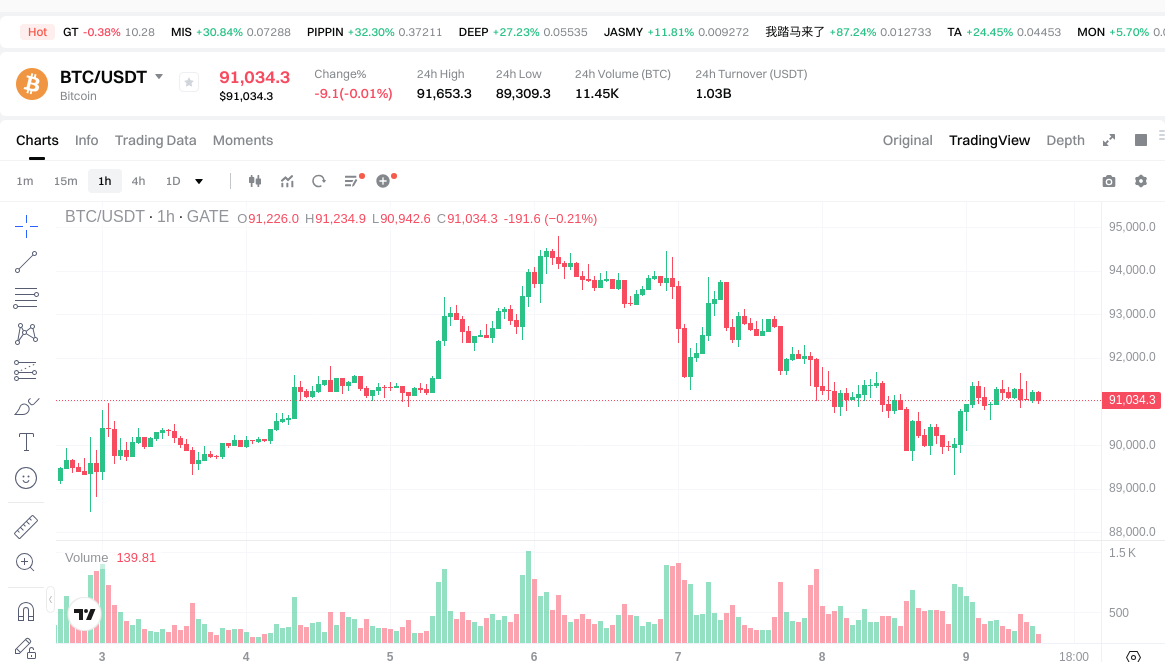 The statement highlights the increasing importance of cryptocurrency in the broader financial landscape, suggesting that digital assets will play a more prominent role in mainstream finance.
The Chairman's remarks indicate that this transition represents the future of global finance, signaling a potential paradigm shift in how value is stored, transferred, and managed across borders. This acknowledgment from a major regulatory authority lends credibility to the cryptocurrency sector and may encourage further institutional adoption.
Implications for the Financial Industry
The predicted shift toward cryptocurrency has far-reaching implications for the financial industry. Traditional financial institutions, including banks, investment firms, and payment processors, may need to adapt their business models to accommodate digital assets. This transformation could lead to the development of new financial products and services that integrate cryptocurrency technology.
For investors and market participants, this regulatory perspective may provide greater confidence in the long-term viability of digital assets. The recognition by a major regulatory body like the SEC suggests that cryptocurrency is increasingly viewed as a legitimate component of the financial system rather than a speculative or fringe asset class.
Regulatory Landscape and Digital Assets
The SEC Chairman's statement also reflects an evolving regulatory approach toward digital assets. Over the past several years, regulatory bodies worldwide have grappled with how to effectively oversee cryptocurrency markets while fostering innovation. This prediction suggests that regulators are moving toward a more accommodating stance, recognizing the need to integrate digital assets into existing regulatory frameworks.
The statement may signal future regulatory developments that could provide clearer guidelines for cryptocurrency businesses, potentially reducing uncertainty and encouraging broader participation in the digital asset ecosystem. However, it also underscores the importance of compliance and proper oversight as the industry matures.
Future Outlook for Cryptocurrency Integration
Looking ahead, the SEC Chairman's prediction points to a future where cryptocurrency becomes increasingly integrated into mainstream financial systems. This integration may manifest in various ways, including the development of cryptocurrency-based payment systems, the tokenization of traditional assets, and the emergence of hybrid financial products that combine traditional and digital elements.
The transition toward a cryptocurrency-integrated financial system is likely to be gradual, requiring collaboration between regulators, industry participants, and technology innovators. As this shift unfolds, it will be essential to address challenges related to security, scalability, and consumer protection while maintaining the innovative potential of digital assets.
The Chairman's forward-looking perspective suggests that regulatory bodies are preparing for this transformation, positioning themselves to guide the evolution of the financial system in a way that balances innovation with appropriate oversight and risk management.
FAQ
What are the SEC Chairman's specific predictions regarding cryptocurrency and the financial system?
The SEC Chairman predicts that Bitcoin and crypto assets will become the foundational layer of the global financial system within years. He believes cryptocurrency will lead the direction of world development, fundamentally reshaping how finance operates globally.
How does cryptocurrency change the structure of the existing financial system?
Cryptocurrency enables decentralized transactions, reducing intermediaries and increasing transparency. It challenges traditional finance, accelerates settlement speeds, democratizes access to financial services, and reshapes regulatory frameworks globally.
Is the SEC's regulatory stance on cryptocurrency shifting?
Yes, the SEC is adopting a more progressive approach through initiatives like Project Crypto, signaling fundamental changes in its regulatory framework and demonstrating openness to blockchain innovation and market development.
What does this prediction mean for cryptocurrency investors?
This indicates mainstream financial system acceptance of cryptocurrency, potentially driving institutional adoption and increased market liquidity. Investors may see reduced regulatory uncertainty and enhanced long-term credibility, positioning crypto as a core asset class in future financial infrastructure.
How can traditional financial institutions adapt to the systemic shift toward cryptocurrency?
Traditional financial institutions are gradually adopting cryptocurrency through digital asset custody, on-chain lending, and tokenized bonds. This transition is cautious yet accelerating, positioning them as active participants rather than mere observers in the digital asset ecosystem.
What timeframe might this shift in the financial system occur within?
This financial system transformation is likely to unfold over the next decade. Driven by technological innovation and regulatory evolution, the shift toward cryptocurrency integration is expected to accelerate through 2036, with significant progress anticipated in the coming years.
Share
Content
How to Buy Cryptocurrency


Trending Cryptocurrencies



Jack Dorsey's Net Worth in 2025: Crypto Investments and Web3 Impact
How Many Nodes in Bitcoin

How Did Dan Bilzerian Make His Money
What Does BTC Mean in Text
How Andrew Tate Make His First Million

How to Earn 1 Bitcoin Per Day Without Investment: Myths vs Reality

NFT Market Loses $1.2 Billion Amid Crypto Collapse, Shows Signs of Recovery

BeatSwap L2E Leads RWA Category on BNB Chain with Upcoming TGE Launch

Nillion Responds to Unauthorized Sale of NIL Token by Market Maker

Bernstein Bitcoin Price Prediction 2026 and 2027: Outlook After the Market Bottom

Solana (SOL) holds steady above $189 and sets its sights on $295.