


Futures
Access hundreds of perpetual contracts
TradFi
Gold
One platform for global traditional assets
Options
Hot
Trade European-style vanilla options
Unified Account
Maximize your capital efficiency
Demo Trading
Introduction to Futures Trading
Learn the basics of futures trading
Futures Events
Join events to earn rewards
Demo Trading
Use virtual funds to practice risk-free trading
Launch
CandyDrop
Collect candies to earn airdrops
Launchpool
Quick staking, earn potential new tokens
HODLer Airdrop
Hold GT and get massive airdrops for free
Launchpad
Be early to the next big token project
Alpha Points
Trade on-chain assets and earn airdrops
Futures Points
Earn futures points and claim airdrop rewards


More




ApeCoin (APE) NFT coin that has successfully sparked the Web3 trend
ApeCoin (APE) is a digital asset derived from the NFT dimension of the Bored Ape Yacht Club project, which has gained widespread recognition. With Yuga Labs successfully turning these issues into a regular coin, it has become an interesting case study of integrating NFTs with governance tokens.
Origin and Fundamentals of the Project
Yuga Labs began selling the NFT collection called Bored Ape Yacht Club (BAYC) in 2021 on the Ethereum network. The concept was inspired by crypto community culture, where monkey symbols are used to denote members. The success of BAYC led to the expansion into Mutant Ape Yacht Club (MAYC), eventually resulting in ApeCoin.
ApeCoin is designed as a governance token serving as the main administrative tool within the APE Ecosystem through ApeDAO. Token holders have voting rights on development directions. Additionally, they may enjoy privileges such as participating in events, purchasing limited-edition NFTs, or accessing services within the ecosystem.
Key Features and Distribution Mechanisms
Token Creation System: ApeCoin has a capped supply of 1 billion coins, not all of which are circulated at once. A “locking” mechanism is used to control the increase in supply. Yuga Labs founders have promised not to unlock their allocations for at least one year, helping to prevent price dumps.
Initial Distribution: At launch, Yuga Labs airdropped approximately $800 million worth of ApeCoin to BAYC and MAYC holders, representing 15% of the total supply. BAYC holders received 10,094 coins per NFT (valued between $80,000-$200,000), while MAYC holders received 2,042 coins.
Data from DappRadar shows that 532 wallets hold more than 2 BAYC NFTs, and 5 wallets hold over 50 coins, indicating a concentration of holdings among management.
Why ApeCoin Attracts Attention
ApeCoin’s success stems from multi-dimensional appeal. First, its association with BAYC, a renowned NFT collection among investors and celebrities. Many celebrities own BAYC NFTs, creating a FOMO phenomenon that drives demand for ApeCoin.
Second, holding APE grants privileges similar to VIP access, such as exclusive event participation, merchandise purchases, or supporting projects like ‘Benji Banana,’ a Play-to-Earn mobile app.
Third, it has gained recognition from various organizations in the digital asset space. Additionally, 1% of the funds are donated to charitable projects.
Price Status and Forecast
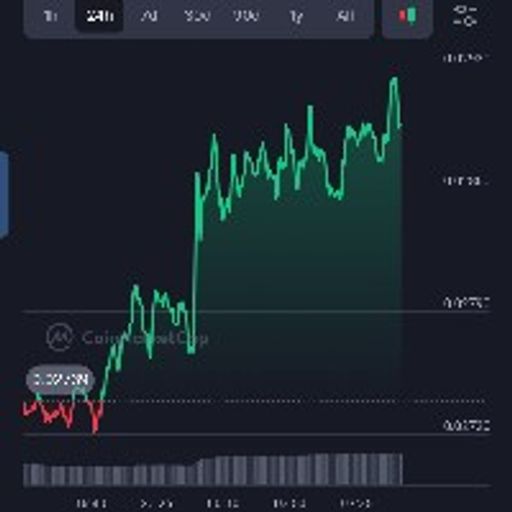
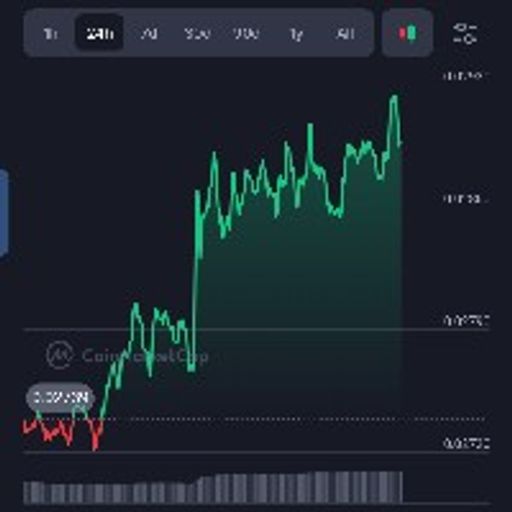
Current Price: ApeCoin (APE) is at $0.20, with a 24-hour change of +3.74%. Its market cap (Market Cap) stands at $185.82 million.
Future Projections: Several platforms have different growth forecasts:
However, investors should conduct their own research to align investments with personal circumstances.
Potential and What to Watch
ApeCoin is supported by several factors, from the strength of the BAYC brand to plans for developing an ecosystem that includes gaming, metaverse experiences, and digital asset services.
Risks include the general volatility of the NFT market. Moreover, the success of ApeCoin depends on how much real utility and value Yuga Labs can create for token holders.
Before investing, review the project’s roadmap, monitor new partnerships, and analyze technical signals. Keeping an eye on ecosystem developments will help investors make better-informed decisions.
It’s crucial to remember to invest only what you can afford to lose and to diversify your portfolio as a good risk management policy.