

Trade
Basic
Futures
Futures
Hundreds of contracts settled in USDT or BTC
Options
HOT
Trade European-style vanilla options
Unified Account
Maximize your capital efficiency
Demo Trading
Futures Kickoff
Get prepared for your futures trading
Futures Events
Participate in events to win generous rewards
Demo Trading
Use virtual funds to experience risk-free trading
Earn
Launch
CandyDrop
Collect candies to earn airdrops
Launchpool
Quick staking, earn potential new tokens
HODLer Airdrop
Hold GT and get massive airdrops for free
Launchpad
Be early to the next big token project
Alpha Points
NEW
Trade on-chain assets and enjoy airdrop rewards!
Futures Points
NEW
Earn futures points and claim airdrop rewards
Investment
Simple Earn
Earn interests with idle tokens
Auto-Invest
Auto-invest on a regular basis
Dual Investment
Buy low and sell high to take profits from price fluctuations
Soft Staking
Earn rewards with flexible staking
Crypto Loan
0 Fees
Pledge one crypto to borrow another
Lending Center
One-stop lending hub
VIP Wealth Hub
Customized wealth management empowers your assets growth
Private Wealth Management
Customized asset management to grow your digital assets
Quant Fund
Top asset management team helps you profit without hassle
Staking
Stake cryptos to earn in PoS products
Smart Leverage
NEW
No forced liquidation before maturity, worry-free leveraged gains
GUSD Minting
Use USDT/USDC to mint GUSD for treasury-level yields

More


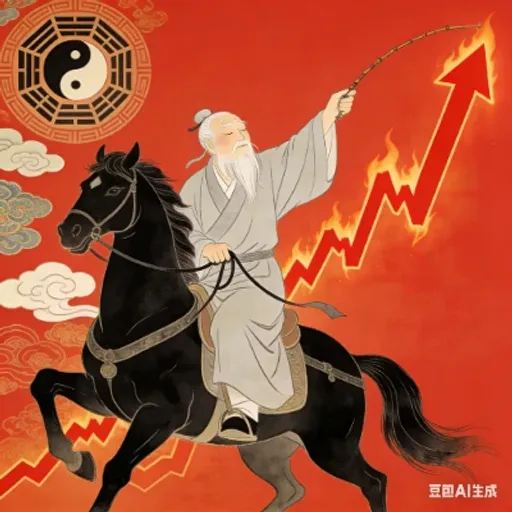



What does GDP stand for? Why does this indicator affect the stock market?
When opening today’s economic news, we will encounter the term GDP in reports, data, or analyses. For new investors, it might be confusing why this number can cause the SET Index to fluctuate so much. The answer lies in the relationship between GDP and the country’s business activities. Today, we will uncover the mystery of this most important economic indicator.
What is Gross Domestic Product?
GDP stands for Gross Domestic Product, which represents the total value of all finished goods and services produced and sold within the country during a specified period. It is generally calculated annually, but sometimes it is computed quarterly to provide a clearer picture of growth rates.
Since GDP reflects the total production volume of a country, it is considered a thermometer of economic health. When GDP increases, it indicates economic growth; when GDP decreases, it may signal a risk of recession.
What does GDP consist of?
The calculation of GDP uses the formula: GDP = C + G + I + NX, where each variable means:
1. C - Private consumption
Consumer spending on goods and services, which is the largest component in GDP calculation. When consumers are confident and willing to spend more, the economy tends to grow.
2. G - Government spending
This includes government expenditures on infrastructure, tools, and civil servant salaries. During economic downturns, the government often increases spending to stimulate growth.
3. I - Investment by the private and public sectors
Businesses invest in machinery, facilities, and technology. These investments help increase production capacity and create new jobs.
4. NX - Net exports
Calculated as exports minus imports (NX = Exports - Imports). When a country exports more, GDP increases.
The difference between Nominal GDP and Real GDP
Nominal GDP - Unadjusted for price changes
Nominal GDP is calculated based on current prices of goods and services in that year, without subtracting inflation. It is mostly used for comparing data within the same quarter or year.
Real GDP - Adjusted for inflation
Real GDP is adjusted to a base year’s prices to remove the effects of inflation, providing a true picture of growth. Analysts often use Real GDP when comparing GDP across different years.
For example, if prices increase by 5% since the base year, the deflator will be 1.05. Dividing Nominal GDP by this number yields Real GDP, reflecting actual growth.
Why is GDP important to the stock market?
The relationship between GDP and the stock market is clearly interconnected. All companies listed on the stock exchange generate revenue within the country, which is a key component of GDP.
When GDP increases, it means the country’s economic activities are expanding. Many companies perform better, profits rise, and stock prices can go higher. Conversely, when GDP declines, it indicates reduced consumer confidence, lower sales, and decreased profits, which can put downward pressure on the SET Index.
Investors closely monitor GDP data because it helps them forecast market directions and adjust their portfolios accordingly.
Summary
GDP stands for Gross Domestic Product, an essential economic indicator for understanding the country’s economic condition. Although GDP does not provide a complete picture of the entire economy, it is a valuable tool for policy planning and investment decisions.
For investors, tracking GDP data and its changes is crucial because it directly impacts corporate performance and the movement of the SET Index. To analyze the market more deeply, it is recommended to study GDP alongside other economic indicators to gain a clearer picture and make informed investment decisions.