

Trade
Basic
Futures
Futures
Hundreds of contracts settled in USDT or BTC
Options
HOT
Trade European-style vanilla options
Unified Account
Maximize your capital efficiency
Demo Trading
Futures Kickoff
Get prepared for your futures trading
Futures Events
Participate in events to win generous rewards
Demo Trading
Use virtual funds to experience risk-free trading
Earn
Launch
CandyDrop
Collect candies to earn airdrops
Launchpool
Quick staking, earn potential new tokens
HODLer Airdrop
Hold GT and get massive airdrops for free
Launchpad
Be early to the next big token project
Alpha Points
NEW
Trade on-chain assets and enjoy airdrop rewards!
Futures Points
NEW
Earn futures points and claim airdrop rewards
Investment
Simple Earn
Earn interests with idle tokens
Auto-Invest
Auto-invest on a regular basis
Dual Investment
Buy low and sell high to take profits from price fluctuations
Soft Staking
Earn rewards with flexible staking
Crypto Loan
0 Fees
Pledge one crypto to borrow another
Lending Center
One-stop lending hub
VIP Wealth Hub
Customized wealth management empowers your assets growth
Private Wealth Management
Customized asset management to grow your digital assets
Quant Fund
Top asset management team helps you profit without hassle
Staking
Stake cryptos to earn in PoS products
Smart Leverage
NEW
No forced liquidation before maturity, worry-free leveraged gains
GUSD Minting
Use USDT/USDC to mint GUSD for treasury-level yields

More


Trending Topics
View More25.59K Popularity
33.83K Popularity
23.44K Popularity
7.68K Popularity
6K Popularity



Pin
Building Wealth Through Collectibles: Why Investors Are Turning to Alternative Assets
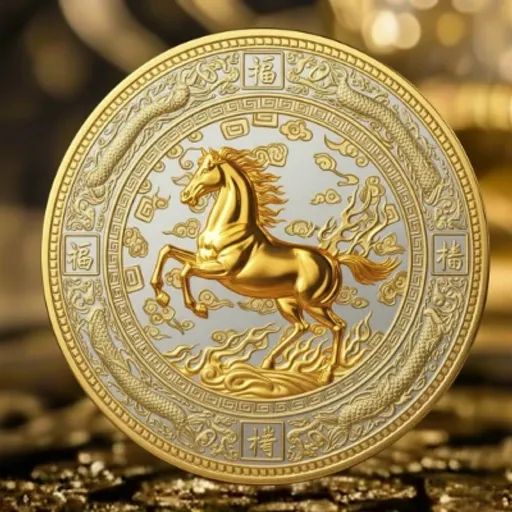
The investment landscape has shifted dramatically in recent years, with more portfolios incorporating tangible alternatives beyond stocks and bonds. Collectibles represent one of the most accessible entry points into this space, offering both financial potential and personal satisfaction. Whether you’re drawn to rare coins, fine art, vintage memorabilia or classic automobiles, understanding the benefits of investing in collectibles can help you make strategic decisions about diversifying your wealth.
Why Collectibles Matter in Modern Portfolios
Collectibles serve a dual purpose in investment strategies. They function as tangible assets—physical items you can hold, display and enjoy—while simultaneously acting as potential wealth generators. This combination distinguishes them from traditional securities. A valuable painting or rare baseball card provides aesthetic enjoyment today while potentially appreciating significantly tomorrow.
The primary benefits of investing in collectibles include portfolio diversification, inflation protection and the possibility of substantial returns. When traditional financial markets fluctuate, collectibles often move independently, reducing overall portfolio risk. Additionally, collectible values tend to appreciate as their scarcity becomes more pronounced and demand grows.
Understanding What Makes Items Collectible
Collectible items share common characteristics: rarity, historical significance and unique appeal. These range from numismatic coins and philatelic stamps to limited-edition watches and antique furnishings. The collecting phenomenon spans centuries, with established markets in fine art, sports memorabilia and vintage entertainment items like comic books and action figures.
Market dynamics vary by category. Sports memorabilia value hinges on athlete prominence and item rarity. Comic book valuations depend heavily on condition and edition status. Wine values increase with age and proper storage conditions. Classic cars demand significant capital investment but can yield substantial returns if well-preserved.
Strategic Steps to Building a Collectibles Portfolio
Begin with comprehensive market research. Before committing capital, immerse yourself in your chosen collectible category. Study historical price trends, attend auctions, visit specialist dealers and join collector communities. This foundation prevents costly mistakes and builds conviction.
Verify authenticity rigorously. Counterfeits plague collectibles markets. Always demand certificates of authenticity and professional grading reports. Standardized grading systems for coins, stamps and trading cards provide objective condition assessments and fair market pricing. Partnering with established auction houses or reputable dealers adds credibility to significant purchases.
Navigate buying and selling effectively. Auctions—physical and digital—represent primary trading venues for serious collectors. Online marketplaces expand selection but require vigilance regarding authenticity. Timing matters: some investors hold for long-term appreciation while others capitalize on short-term market movements. Understand your own strategy before purchasing.
Key Advantages for Investors
The benefits of investing in collectibles extend beyond pure returns. Tangible asset ownership provides psychological comfort absent in digital portfolios. Collectibles cannot be hacked or volatilized by algorithmic trading. They offer genuine diversification from equity and bond exposure. During inflationary periods, real assets historically maintain purchasing power better than currency-denominated investments.
Important Considerations and Trade-Offs
Market volatility remains a reality in collectibles. Values fluctuate based on fashion, cultural trends and supply dynamics. What peaks today may decline tomorrow as collector interest shifts.
Liquidity constraints present another challenge. Selling collectibles requires finding qualified buyers willing to pay fair market prices—a process that takes considerably longer than equity sales. Storage and insurance costs accumulate over time, eating into returns. Expert knowledge demands investment: successful collecting requires deep understanding of market mechanics, authentication practices and category-specific value drivers.
The Practical Path Forward
Start small while building expertise. Rather than deploying substantial capital into unfamiliar categories, test your knowledge and interest through manageable initial purchases. Scale gradually as confidence grows.
Consider your time horizon realistically. Collectibles reward patient investors. Long-term holding strategies neutralize short-term volatility and allow appreciation to compound. If you need quick liquidity, collectibles may not suit your needs.
Finally, acknowledge that benefits of investing in collectibles combine financial returns with personal fulfillment. The best collectibles investments align with genuine interest, not speculation alone. A rare coin collection or curated art portfolio provides ongoing enjoyment while building wealth—a distinctive advantage over purely financial instruments.