

Trade
Basic
Futures
Futures
Hundreds of contracts settled in USDT or BTC
Options
HOT
Trade European-style vanilla options
Unified Account
Maximize your capital efficiency
Demo Trading
Futures Kickoff
Get prepared for your futures trading
Futures Events
Participate in events to win generous rewards
Demo Trading
Use virtual funds to experience risk-free trading
Earn
Launch
CandyDrop
Collect candies to earn airdrops
Launchpool
Quick staking, earn potential new tokens
HODLer Airdrop
Hold GT and get massive airdrops for free
Launchpad
Be early to the next big token project
Alpha Points
NEW
Trade on-chain assets and enjoy airdrop rewards!
Futures Points
NEW
Earn futures points and claim airdrop rewards
Investment
Simple Earn
Earn interests with idle tokens
Auto-Invest
Auto-invest on a regular basis
Dual Investment
Buy low and sell high to take profits from price fluctuations
Soft Staking
Earn rewards with flexible staking
Crypto Loan
0 Fees
Pledge one crypto to borrow another
Lending Center
One-stop lending hub
VIP Wealth Hub
Customized wealth management empowers your assets growth
Private Wealth Management
Customized asset management to grow your digital assets
Quant Fund
Top asset management team helps you profit without hassle
Staking
Stake cryptos to earn in PoS products
Smart Leverage
NEW
No forced liquidation before maturity, worry-free leveraged gains
GUSD Minting
Use USDT/USDC to mint GUSD for treasury-level yields

More


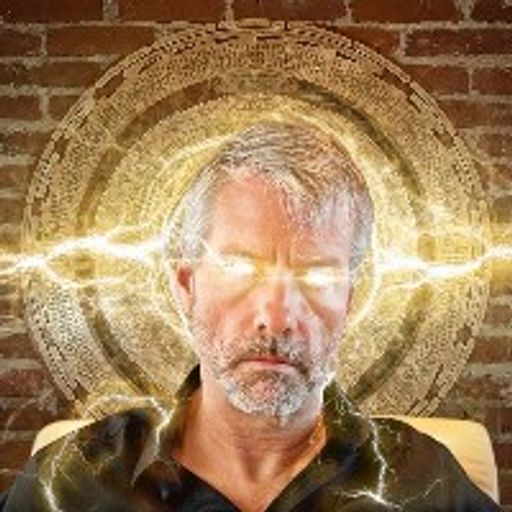




When trust crumbles: the true story behind Gerald Cotten's collapse
Gerald Cotten was presented to the world as a visionary entrepreneur revolutionizing access to cryptocurrencies. Thousands of investors entrusted him with their savings, convinced they were in safe hands. The reality was devastatingly different.
The breaking point: a death in India that changed everything
In 2019, when Cotten unexpectedly died in India, what seemed to be a personal tragedy turned into an unprecedented financial disaster. The founder was the sole custodian of the access keys to nearly $190 million in client assets. Without him, those funds were trapped in digital limbo, inaccessible and unrecoverable.
Mass panic
The exchange platform shut its doors. Over 76,000 people, many of whom had deposited their lifelong savings, suddenly found themselves without access to their money. There was no plan B, no transparency, only silence and despair. The panic that followed exposed an uncomfortable truth: centralizing control in a single person is an existential risk in any financial system.
The investigation revealed something worse
When investigators began to uncover the truth, they discovered that the personal tragedy was just the tip of the iceberg. Cotten was not just an unfortunate entrepreneur; he was a large-scale scammer.
For years, he had been diverting client funds to finance an extremely luxurious lifestyle: exclusive properties, luxury travel around the world, and extravagant expenses. But that was not all. He also created fraudulent accounts within the platform, operating with fictitious money against real deposits from other users, thereby deliberately amplifying losses.
The lesson for the crypto ecosystem
Gerald Cotten’s case is a brutal reminder of why security, transparency, and independent auditing are fundamental pillars in any exchange platform. Blind trust without verification mechanisms is not faith in technology; it is negligence.
The cryptocurrency community learned by force that trusting a single person or centralized entity is betting against the very nature of what decentralized finance should be.