

Trade
Basic
Futures
Futures
Hundreds of contracts settled in USDT or BTC
TradFi
Gold
Trade global traditional assets with USDT in one place
Options
Hot
Trade European-style vanilla options
Unified Account
Maximize your capital efficiency
Demo Trading
Futures Kickoff
Get prepared for your futures trading
Futures Events
Participate in events to win generous rewards
Demo Trading
Use virtual funds to experience risk-free trading
Earn
Launch
CandyDrop
Collect candies to earn airdrops
Launchpool
Quick staking, earn potential new tokens
HODLer Airdrop
Hold GT and get massive airdrops for free
Launchpad
Be early to the next big token project
Alpha Points
Trade on-chain assets and enjoy airdrop rewards!
Futures Points
Earn futures points and claim airdrop rewards
Investment
Simple Earn
Earn interests with idle tokens
Auto-Invest
Auto-invest on a regular basis
Dual Investment
Buy low and sell high to take profits from price fluctuations
Soft Staking
Earn rewards with flexible staking
Crypto Loan
0 Fees
Pledge one crypto to borrow another
Lending Center
One-stop lending hub
VIP Wealth Hub
Customized wealth management empowers your assets growth
Private Wealth Management
Customized asset management to grow your digital assets
Quant Fund
Top asset management team helps you profit without hassle
Staking
Stake cryptos to earn in PoS products
Smart Leverage
New
No forced liquidation before maturity, worry-free leveraged gains
GUSD Minting
Use USDT/USDC to mint GUSD for treasury-level yields

More


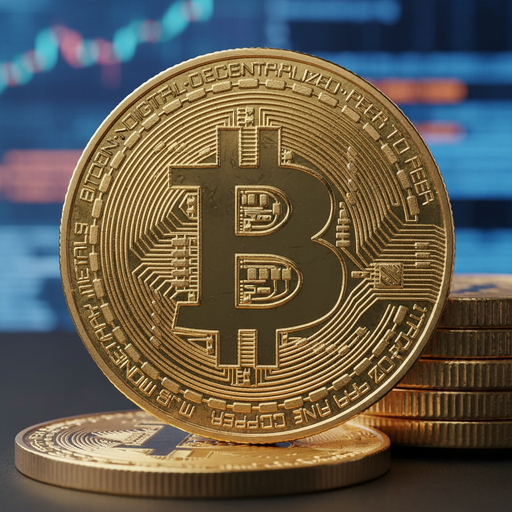




#HongKongIssueStablecoinLicenses
Hong Kong’s decision to issue its first stablecoin issuer licenses in March 2026 marks a pivotal shift in how global financial centers are choosing to engage with digital money. Rather than rushing to open the floodgates, regulators are taking a deliberately selective approach, granting only a limited number of licenses under a newly established framework. This signals not hesitation, but strategic intent.
The move reflects Hong Kong’s broader ambition to position itself as a regulated hub for digital assets without compromising financial stability. Stablecoins sit at the intersection of traditional finance and blockchain infrastructure, touching payments, settlement, capital flows, and monetary sovereignty. By tightly controlling early licensing, regulators are effectively stress-testing the system before allowing scale. The goal is to ensure that stablecoins operating within Hong Kong meet institutional-grade standards for reserves, governance, transparency, and risk management.
Limiting the number of initial licenses also reshapes the competitive landscape. Only issuers with strong balance sheets, credible reserve management, robust compliance systems, and clear use cases are likely to qualify. This creates a high barrier to entry that favors quality over speed and discourages speculative or undercapitalized projects. In practice, it elevates stablecoins from experimental crypto instruments into regulated financial products that can be integrated into banking, payments, and capital markets infrastructure.
From a market perspective, this approach contrasts sharply with earlier phases of stablecoin growth, which were driven largely by offshore issuance and light-touch oversight. Hong Kong’s framework suggests a future where stablecoins are treated less like crypto-native tokens and more like narrow banks or payment institutions, subject to ongoing supervision and systemic risk controls. That evolution may slow expansion in the short term, but it significantly strengthens long-term credibility.
The timing is also notable. As global regulators grapple with stablecoin rules, Hong Kong is moving ahead with implementation rather than prolonged consultation. This gives the jurisdiction a first-mover advantage in Asia for regulated stablecoin issuance, potentially attracting institutional issuers, multinational payment firms, and financial institutions seeking regulatory clarity. At the same time, by issuing only a small number of licenses initially, authorities preserve flexibility to adjust standards as real-world data emerges.
For issuers, a Hong Kong license could become a powerful signal of legitimacy. It may unlock partnerships with banks, access to institutional clients, and integration into regulated financial workflows. For users, it offers a clearer assurance that stablecoins operating under this regime are backed, audited, and governed to standards comparable with traditional financial products.
More broadly, the initiative reflects a shift in how governments view stablecoins. They are no longer seen merely as crypto market tools, but as potential components of future payment systems. Hong Kong’s cautious rollout suggests that the next phase of stablecoin adoption will be shaped not by rapid proliferation, but by regulatory endorsement, controlled growth, and institutional trust.
If successful, this framework could serve as a blueprint for other financial centers navigating the balance between innovation and control. Hong Kong is effectively betting that stablecoins can scale responsibly but only if they are built on regulation first, not retrofitted afterward.