

Trade
Basic
Futures
Futures
Hundreds of contracts settled in USDT or BTC
TradFi
Gold
Trade global traditional assets with USDT in one place
Options
Hot
Trade European-style vanilla options
Unified Account
Maximize your capital efficiency
Demo Trading
Futures Kickoff
Get prepared for your futures trading
Futures Events
Participate in events to win generous rewards
Demo Trading
Use virtual funds to experience risk-free trading
Earn
Launch
CandyDrop
Collect candies to earn airdrops
Launchpool
Quick staking, earn potential new tokens
HODLer Airdrop
Hold GT and get massive airdrops for free
Launchpad
Be early to the next big token project
Alpha Points
Trade on-chain assets and enjoy airdrop rewards!
Futures Points
Earn futures points and claim airdrop rewards
Investment
Simple Earn
Earn interests with idle tokens
Auto-Invest
Auto-invest on a regular basis
Dual Investment
Buy low and sell high to take profits from price fluctuations
Soft Staking
Earn rewards with flexible staking
Crypto Loan
0 Fees
Pledge one crypto to borrow another
Lending Center
One-stop lending hub
VIP Wealth Hub
Customized wealth management empowers your assets growth
Private Wealth Management
Customized asset management to grow your digital assets
Quant Fund
Top asset management team helps you profit without hassle
Staking
Stake cryptos to earn in PoS products
Smart Leverage
New
No forced liquidation before maturity, worry-free leveraged gains
GUSD Minting
Use USDT/USDC to mint GUSD for treasury-level yields

More


Trending Topics
View More78.2K Popularity
5.59K Popularity
1.66K Popularity
2.53K Popularity
6.92K Popularity




Pin
#OvernightV-ShapedMoveinCrypto Understanding the Latest V-Shaped Recovery in Crypto
1️⃣ Market Overview
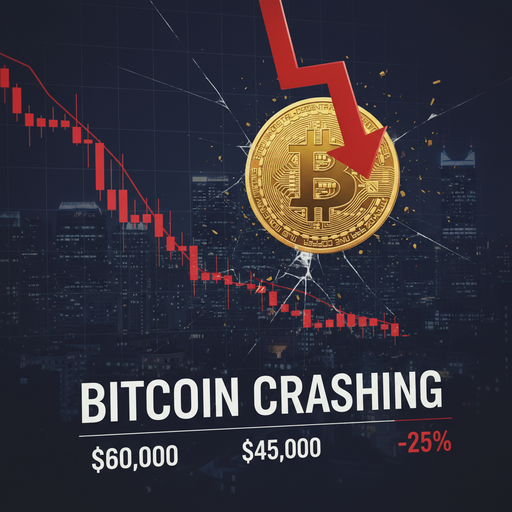
The crypto futures market has once again demonstrated its highly reactive nature through a sharp V-shaped recovery. After an aggressive overnight sell-off, prices rebounded just as quickly, catching both retail and leveraged traders off guard. These moves are not accidental—they reflect deep interactions between liquidity, derivatives positioning, funding rates, and macro sentiment. In today’s environment, futures markets often move faster than spot, making them the primary driver of short-term volatility.
2️⃣ Role of Leverage in the Dump
One of the biggest contributors to the sudden drop was excessive leverage across major pairs like BTC, ETH, and altcoin futures. When open interest rises rapidly while funding rates turn positive, it signals overcrowded long positions. Market makers and large players often exploit this imbalance by pushing price toward liquidation zones. Once key liquidation levels are hit, forced selling accelerates the decline within minutes.
3️⃣ Impact of Global Macroeconomic Signals
Recent developments in global interest rates, inflation data, and central bank guidance have increased sensitivity in risk assets. Even small macro headlines now have amplified effects on crypto futures. Traders are reacting faster to news related to the Federal Reserve, ETF inflows, and geopolitical tensions. This creates an environment where fear spreads rapidly, especially during low-volume hours.
4️⃣ Overnight Liquidity and Volatility
The overnight trading session remains one of the most dangerous periods for futures traders. With lower participation from institutions and reduced order book depth, price movements become exaggerated. A relatively small sell order can trigger cascading stops. This thin liquidity is often exploited by professional traders who understand where retail positions are concentrated.
5️⃣ Short Covering and Reversal Mechanics
After the liquidation phase, the market usually becomes temporarily oversold. At this point, short sellers begin closing their positions to lock in profits. This short covering adds buying pressure, which is further amplified by algorithmic strategies detecting momentum shifts. The result is a fast, aggressive bounce that forms the second leg of the V-shaped pattern.
6️⃣ Institutional Accumulation During Pullbacks
Data from futures volume and spot exchange flows suggests that institutions are increasingly active during sharp dips. Large wallets and funds often accumulate during panic phases rather than chasing breakouts. These players focus on long-term positioning and use futures contracts to hedge risk. Their participation provides structural support and helps stabilize prices after major sell-offs.
7️⃣ Funding Rates and Open Interest Reset
One positive outcome of such corrections is the reset of unhealthy market conditions. During the drop, funding rates normalize and excessive open interest is cleared. This “cleansing” process reduces the probability of immediate follow-up crashes. A market with balanced funding and stable open interest is more likely to sustain upward movement.
8️⃣ Technical Structure After the Bounce
From a technical perspective, what matters most is where price holds after the rebound. If BTC and ETH can maintain reclaimed support zones on higher volume, it confirms bullish continuation. However, failure to hold these levels may indicate a dead-cat bounce. Traders should focus on volume profiles, VWAP zones, and higher timeframe support levels.
9️⃣ Risk Management in High-Volatility Phases
In current conditions, risk management is more important than prediction. Futures traders must reduce position sizes, use realistic leverage, and avoid emotional entries. Stop-loss placement should be based on structure, not fear. Overconfidence during volatile phases is the fastest way to lose capital, even when market direction seems obvious.
🔟 Forward Outlook for Futures Traders
Looking ahead, volatility is likely to remain elevated as markets adjust to macro uncertainty and evolving institutional involvement. V-shaped recoveries signal strong underlying demand, but they also warn of unstable sentiment. Smart traders will wait for confirmation, trade with discipline, and prioritize capital preservation. In this environment, survival and consistency matter more than chasing quick profits.