

Trade
Basic
Futures
Futures
Hundreds of contracts settled in USDT or BTC
TradFi
Gold
Trade global traditional assets with USDT in one place
Options
Hot
Trade European-style vanilla options
Unified Account
Maximize your capital efficiency
Demo Trading
Futures Kickoff
Get prepared for your futures trading
Futures Events
Participate in events to win generous rewards
Demo Trading
Use virtual funds to experience risk-free trading
Earn
Launch
CandyDrop
Collect candies to earn airdrops
Launchpool
Quick staking, earn potential new tokens
HODLer Airdrop
Hold GT and get massive airdrops for free
Launchpad
Be early to the next big token project
Alpha Points
Trade on-chain assets and enjoy airdrop rewards!
Futures Points
Earn futures points and claim airdrop rewards
Investment
Simple Earn
Earn interests with idle tokens
Auto-Invest
Auto-invest on a regular basis
Dual Investment
Buy low and sell high to take profits from price fluctuations
Soft Staking
Earn rewards with flexible staking
Crypto Loan
0 Fees
Pledge one crypto to borrow another
Lending Center
One-stop lending hub
VIP Wealth Hub
Customized wealth management empowers your assets growth
Private Wealth Management
Customized asset management to grow your digital assets
Quant Fund
Top asset management team helps you profit without hassle
Staking
Stake cryptos to earn in PoS products
Smart Leverage
New
No forced liquidation before maturity, worry-free leveraged gains
GUSD Minting
Use USDT/USDC to mint GUSD for treasury-level yields

More


Trending Topics
View More80.01K Popularity
6.56K Popularity
1.94K Popularity
2.95K Popularity
7.5K Popularity



Pin
👾#WarshNominationBullorBear? — Market Implications
The nomination of Warsh to a leadership role at the Federal Reserve represents a major macroeconomic event with broad implications for global markets. Fed leadership changes are never merely symbolic; they reshape expectations around policy direction, communication style, and institutional priorities. Investors immediately begin recalibrating outlooks for interest rates, liquidity, and economic stability. These shifts influence U.S. markets, global capital flows, emerging markets, and digital assets, making this nomination a key variable in today’s financial landscape.
Warsh is known for balancing inflation control with economic growth, placing him at the center of a nuanced policy debate. Markets are focused on whether his approach will lean toward strict inflation containment or flexible economic management. His stance on data dependency, labor market resilience, and financial stability will determine how aggressively the Fed responds to economic signals. Even before formal policy actions, perceptions of his philosophy can move markets, as traders price in future expectations ahead of official decisions.
For equity markets, Warsh’s messaging will be critical in shaping near-term direction. A hawkish stance emphasizing continued restrictive policy could pressure growth-oriented sectors such as technology, clean energy, and emerging industries. Higher borrowing costs would compress valuations and potentially slow expansion plans. Conversely, a pragmatic or flexible stance in response to slowing growth could boost equities, improve sentiment, and encourage institutional participation in risk assets.
Bond markets are similarly sensitive to expectations around Warsh’s policy framework. Treasury yields, yield curve behavior, and term premiums adjust as investors reassess long-term rate trajectories. A perceived commitment to tightening could push yields higher, increasing funding costs, while a flexible, data-driven approach could stabilize markets, reduce volatility, and support overall liquidity conditions.
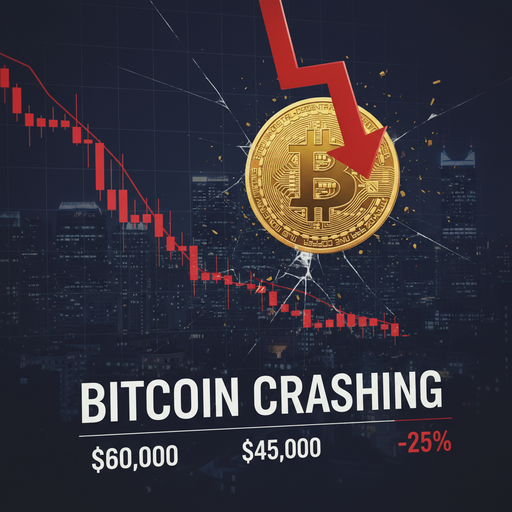
Cryptocurrency markets are particularly reactive, as digital assets depend heavily on global liquidity and risk appetite. Hawkish expectations raise the opportunity cost of holding non-yielding assets like Bitcoin and Ethereum, creating downward pressure. Signs of monetary flexibility tend to support speculative capital flows, with Layer 2 ecosystems, DeFi platforms, and high-beta altcoins most affected by shifts in macro narratives.
Historical patterns show that Fed leadership transitions often trigger initial volatility spikes followed by gradual normalization. Markets tend to overreact early, pricing in extreme scenarios before guidance becomes clear. Over time, actual voting behavior, policy decisions, and macroeconomic data drive trends, highlighting the importance of distinguishing short-term emotional responses from long-term structural signals.
Strategically, Warsh’s nomination should be treated as a period for observation rather than immediate action. Key indicators include his statements, FOMC voting intentions, inflation trajectories, labor market metrics, and overall financial conditions. Monitoring the interaction of these variables provides a clearer picture of policy direction than any single headline. Investors focusing on these signals are better positioned to anticipate meaningful market shifts.
Risk management is critical in such transitional periods. Short-term traders may find opportunities in heightened volatility but should rely on disciplined position sizing and hedging. Long-term investors benefit from diversified exposure and avoiding overcommitment to speculative narratives. Preserving liquidity allows flexibility to adapt when clearer policy confirmation emerges.
Several scenarios are possible. In a bullish scenario, markets interpret Warsh as pragmatic, responsive, and data-driven, stabilizing yields, improving liquidity, and renewing confidence in risk assets. Equities and crypto would likely benefit. In a bearish scenario, markets see him as firmly hawkish, prioritizing inflation control regardless of slowing growth, sustaining pressure on valuations and speculative assets. A neutral scenario could produce choppy, range-bound trading across asset classes.
Ultimately, Warsh’s nomination does not automatically determine market direction. It reshapes probability distributions and introduces a phase of uncertainty requiring disciplined navigation. The true impact will depend on how his philosophy translates into policy and how economic data evolves. Investors who remain patient, data-focused, and strategically flexible are best positioned to navigate this period. Rather than signaling an immediate bull or bear market, the nomination marks the beginning of a process that rewards careful analysis, risk control, and long-term perspective.
Warsh’s reputation for balancing inflation control with economic growth places him at the center of a complex policy debate. Markets are now focused on whether his approach will lean toward strict inflation containment or flexible economic management. His stance on data dependency, employment resilience, and financial stability will determine how aggressively the Fed responds to economic signals. Even before concrete policy actions occur, perceptions of his philosophy can move markets, as traders and institutions price in future expectations ahead of official decisions.
For equity markets, Warsh’s messaging will be critical in shaping near-term direction. If he emphasizes the need for continued restrictive policy to combat inflation, growth-oriented sectors such as technology, clean energy, and emerging industries may face renewed pressure. Higher expected borrowing costs can compress valuations and dampen expansion plans. On the other hand, if he signals openness to policy moderation in response to slowing growth, equities may benefit from improved sentiment and renewed institutional participation in risk assets.
Bond markets will also react strongly to shifting expectations around Warsh’s policy framework. Treasury yields, yield curve dynamics, and term premiums will adjust as investors reassess long-term rate trajectories. A perceived commitment to sustained tightening could push yields higher and increase funding costs across the economy. Conversely, a data-driven and flexible stance could stabilize bond markets, reduce volatility, and improve overall liquidity conditions, indirectly supporting broader financial stability.
Cryptocurrency markets are particularly sensitive to these developments because digital assets depend heavily on global liquidity and risk appetite. Hawkish policy expectations typically raise the opportunity cost of holding non-yielding assets such as Bitcoin and Ethereum, creating downward pressure. In contrast, signs of monetary flexibility tend to support speculative capital flows into crypto. Layer 2 ecosystems, DeFi platforms, and high-beta altcoins are especially affected, as capital rotation accelerates during periods of shifting macro narratives.
Historical patterns show that Fed leadership transitions often produce an initial surge in volatility followed by gradual normalization. Markets tend to overreact in the early stages, pricing in extreme scenarios before clearer guidance emerges. Over time, actual voting behavior, policy decisions, and macro data become more influential than headlines. This reinforces the importance of distinguishing between short-term emotional reactions and longer-term structural trends.
From a strategic standpoint, Warsh’s nomination should be viewed as a period of heightened observation rather than immediate action. Key indicators to monitor include his public statements, FOMC voting patterns, inflation trajectories, labor market strength, and financial conditions indexes. The interaction between these variables provides a more accurate picture of policy direction than any single announcement. Investors who focus on these signals are better positioned to anticipate meaningful shifts.
Risk management becomes especially important in such transitional periods. Short-term traders may find opportunities in increased volatility but should rely on strict position sizing and hedging strategies. Long-term investors are better served by maintaining diversified exposure and avoiding overcommitment based on speculative narratives. Liquidity preservation remains a priority, as flexibility allows investors to adapt when clearer policy confirmation emerges.
Several scenarios can unfold as Warsh’s influence becomes clearer. In a bullish scenario, markets interpret him as pragmatic and responsive to economic conditions, leading to stabilizing yields, improving liquidity, and renewed confidence in risk assets. Equities and crypto benefit as capital re-enters higher-growth sectors. In a bearish scenario, markets perceive him as firmly hawkish, prioritizing inflation control regardless of economic slowdown, resulting in sustained pressure on valuations and speculative assets. In a neutral scenario, mixed signals produce extended consolidation and choppy trading conditions across asset classes.
Ultimately, Warsh’s nomination does not determine market direction on its own. It reshapes probability distributions and introduces a phase of uncertainty that requires disciplined navigation. The true impact will depend on how his views translate into policy actions and how economic data evolves in response. Investors who remain patient, data-focused, and strategically flexible will be best equipped to manage this transition. Rather than signaling an immediate bull or bear outcome, the nomination marks the beginning of a process that rewards careful analysis, risk control, and long-term perspective.