


Futures
Access hundreds of perpetual contracts
TradFi
Gold
One platform for global traditional assets
Options
Hot
Trade European-style vanilla options
Unified Account
Maximize your capital efficiency
Demo Trading
Futures Kickoff
Get prepared for your futures trading
Futures Events
Join events to earn rewards
Demo Trading
Use virtual funds to experience risk-free trading
Launch
CandyDrop
Collect candies to earn airdrops
Launchpool
Quick staking, earn potential new tokens
HODLer Airdrop
Hold GT and get massive airdrops for free
Launchpad
Be early to the next big token project
Alpha Points
Trade on-chain assets and earn airdrops
Futures Points
Earn futures points and claim airdrop rewards



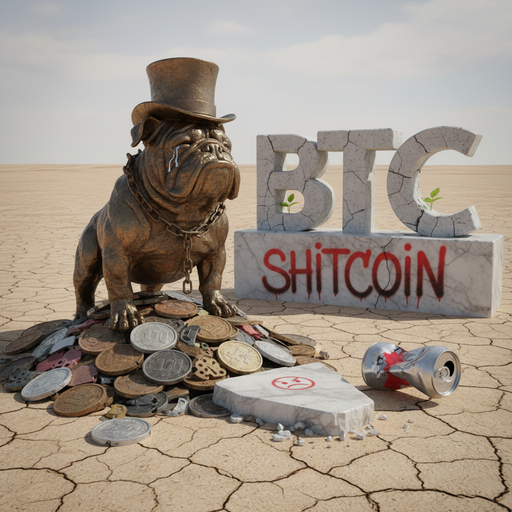

#美伊局势影响 Recently, the geopolitical tensions between the US and Iran have continued to escalate, not only stirring traditional markets such as international crude oil and gold but also causing significant volatility in the cryptocurrency industry. As a 24/7 traded, highly liquid global asset, the crypto market reacts more sensitively to geopolitical risks, with impacts showing short-term shocks, medium-term divergence, and long-term benefits.
In the short term, when the US-Iran situation suddenly escalates, global risk aversion quickly intensifies, and funds tend to sell off high-risk assets like stocks and cryptocurrencies, shifting into safe-haven assets such as the US dollar and gold. Coupled with the widespread high leverage characteristic in the crypto market, this often results in short-term crashes and concentrated liquidations, with volatility far exceeding that of traditional financial markets. During this phase, cryptocurrencies tend to behave as high-risk assets, declining in tandem with global risk appetite.
In the medium term, as market sentiment gradually absorbs the shocks, the decentralized, anti-sanction, borderless nature of cryptocurrencies begins to emerge. Under the pressure of sanctions and exchange rate fluctuations, demand in the Middle East for asset preservation and cross-border payments using crypto assets has significantly increased, driving funds back into mainstream coins. Meanwhile, inflation expectations driven by rising oil prices influence the Federal Reserve’s monetary policy pace, which in turn affects the overall liquidity environment of the crypto market, leading to a pattern of oscillation and divergence, with mainstream assets like Bitcoin performing notably better than niche altcoins.
In the long term, the US-Iran tensions have further accelerated the global de-dollarization process. Repeated geopolitical conflicts and unilateral sanctions have made more countries and investors realize the risks of a single sovereign currency system, leading to a renewed recognition of the value of decentralized, non-sovereign assets. As the largest and most consensus-driven cryptocurrency by market cap, Bitcoin’s position as “digital gold” becomes increasingly clear, gradually becoming an important hedge against geopolitical and currency credit risks.
Overall, geopolitical conflicts will not alter the underlying technology and development trends of the crypto industry but will intensify market volatility and asset differentiation. For investors, during periods of rising geopolitical uncertainty, it is more prudent to control leverage strictly, focus on mainstream assets, and respond rationally to news-driven fluctuations. As the international landscape continues to evolve, cryptocurrencies as a new form of safe haven and store of value will become increasingly clear in future markets.