


Futures
Access hundreds of perpetual contracts
TradFi
Gold
One platform for global traditional assets
Options
Hot
Trade European-style vanilla options
Unified Account
Maximize your capital efficiency
Demo Trading
Introduction to Futures Trading
Learn the basics of futures trading
Futures Events
Join events to earn rewards
Demo Trading
Use virtual funds to practice risk-free trading
Launch
CandyDrop
Collect candies to earn airdrops
Launchpool
Quick staking, earn potential new tokens
HODLer Airdrop
Hold GT and get massive airdrops for free
Launchpad
Be early to the next big token project
Alpha Points
Trade on-chain assets and earn airdrops
Futures Points
Earn futures points and claim airdrop rewards


More




#AAVETokenSwapControversy
The decentralized finance sector has recently been drawn into intense discussion following the emerging AAVE token swap controversy, a development that has sparked debate across the crypto community regarding governance transparency, protocol upgrades, and the long-term direction of decentralized financial ecosystems. As one of the most influential lending protocols in the industry, Aave has long been regarded as a cornerstone of the DeFi infrastructure, making any governance-related debate particularly significant for investors, developers, and market observers.
The controversy centers around discussions within the Aave DAO regarding potential token swap mechanisms and structural adjustments designed to strengthen protocol sustainability and long-term ecosystem incentives. Supporters of the proposal argue that strategic token adjustments could enhance liquidity management, optimize governance participation, and align incentives more effectively between developers, liquidity providers, and token holders. In rapidly evolving decentralized markets, such proposals are often viewed as necessary steps to maintain competitiveness and technological relevance.
However, critics within the community have raised concerns about the potential implications of a token swap, particularly regarding governance transparency, decision-making processes, and the balance of influence within decentralized organizations. Some community members argue that significant changes to token structure should be approached with extreme caution, emphasizing the importance of maintaining trust and consensus within the decentralized governance framework. These debates highlight the unique challenge faced by decentralized protocols: balancing innovation and adaptability with community trust and decentralized decision-making.
The discussion has also reignited broader conversations about governance standards in decentralized finance. Unlike traditional financial institutions, DeFi protocols operate through community proposals and token-holder voting, which can sometimes produce disagreements when major structural changes are introduced. While these debates may appear contentious, they also demonstrate the active participation of community members in shaping the future direction of blockchain-based financial infrastructure.
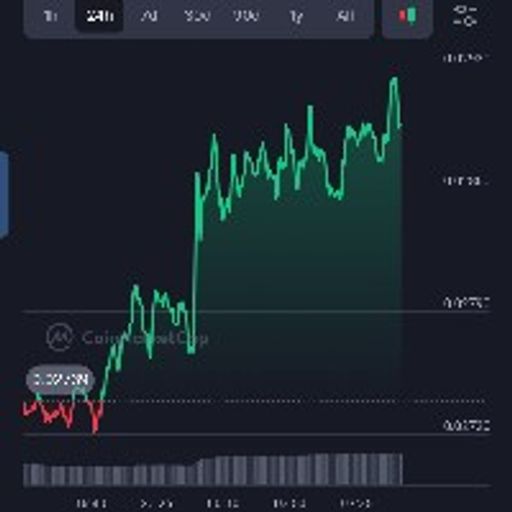
From a market perspective, governance controversies often influence investor sentiment in the short term. Traders closely monitor developments within major protocols like Aave because governance outcomes can affect liquidity flows, token valuation models, and long-term ecosystem development. At the same time, experienced market participants recognize that debates within decentralized governance frameworks are a natural part of the innovation process. Transparent discussion, open proposals, and community voting mechanisms remain essential components of the decentralized finance philosophy.
Looking ahead, the resolution of the token swap discussion may set an important precedent for how large DeFi protocols approach structural changes and community governance. If consensus is reached through transparent dialogue and well-designed proposals, it could reinforce confidence in decentralized governance models and encourage further innovation across the DeFi sector. On the other hand, unresolved disagreements could temporarily impact market sentiment until clarity emerges regarding the protocol’s strategic direction.
Ultimately, the highlights the growing maturity of decentralized finance. As DeFi protocols expand and attract larger capital flows, governance decisions are becoming increasingly complex and impactful. These discussions illustrate how decentralized communities are actively shaping the evolution of blockchain-based financial systems while navigating the challenges of innovation, transparency, and collective decision-making.
#AAVETokenSwapControversy #Aave #DeFiGovernance #GateSquareAIReviewer